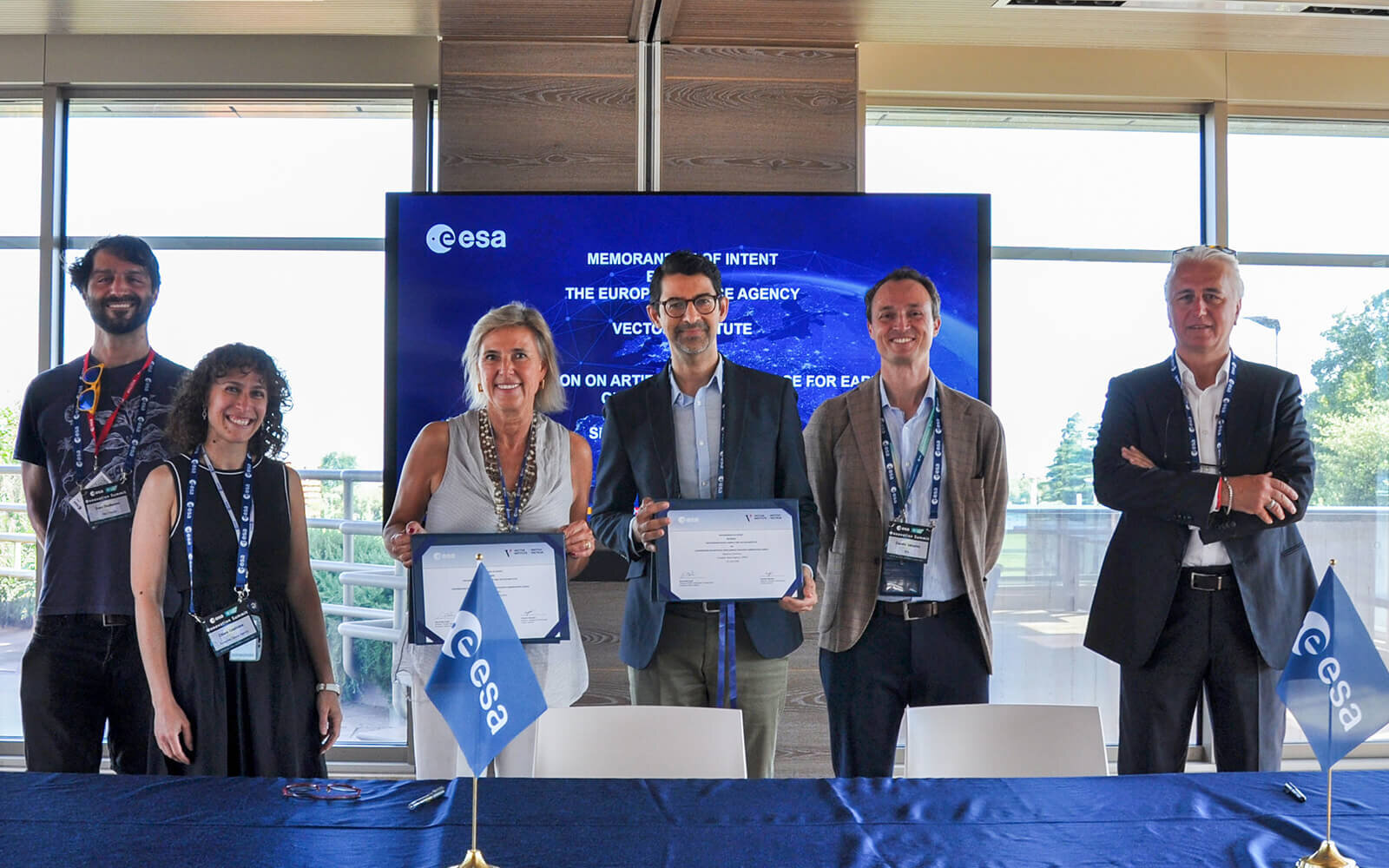
The Vector Institute and the European Space Agency (ESA) have announced a partnership to pioneer new applications of artificial intelligence for Earth observation, with an initial focus on climate science and Arctic monitoring.
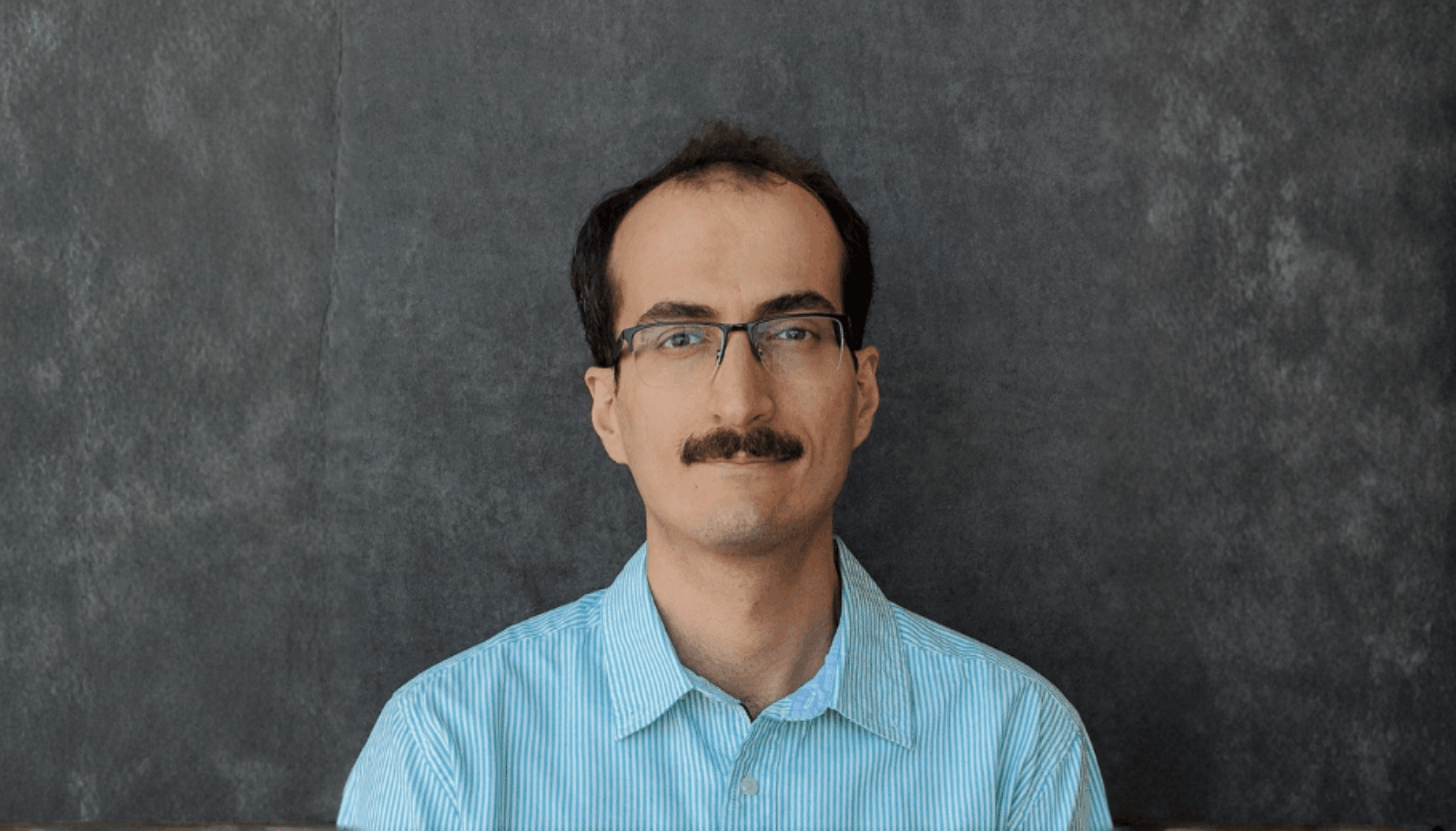
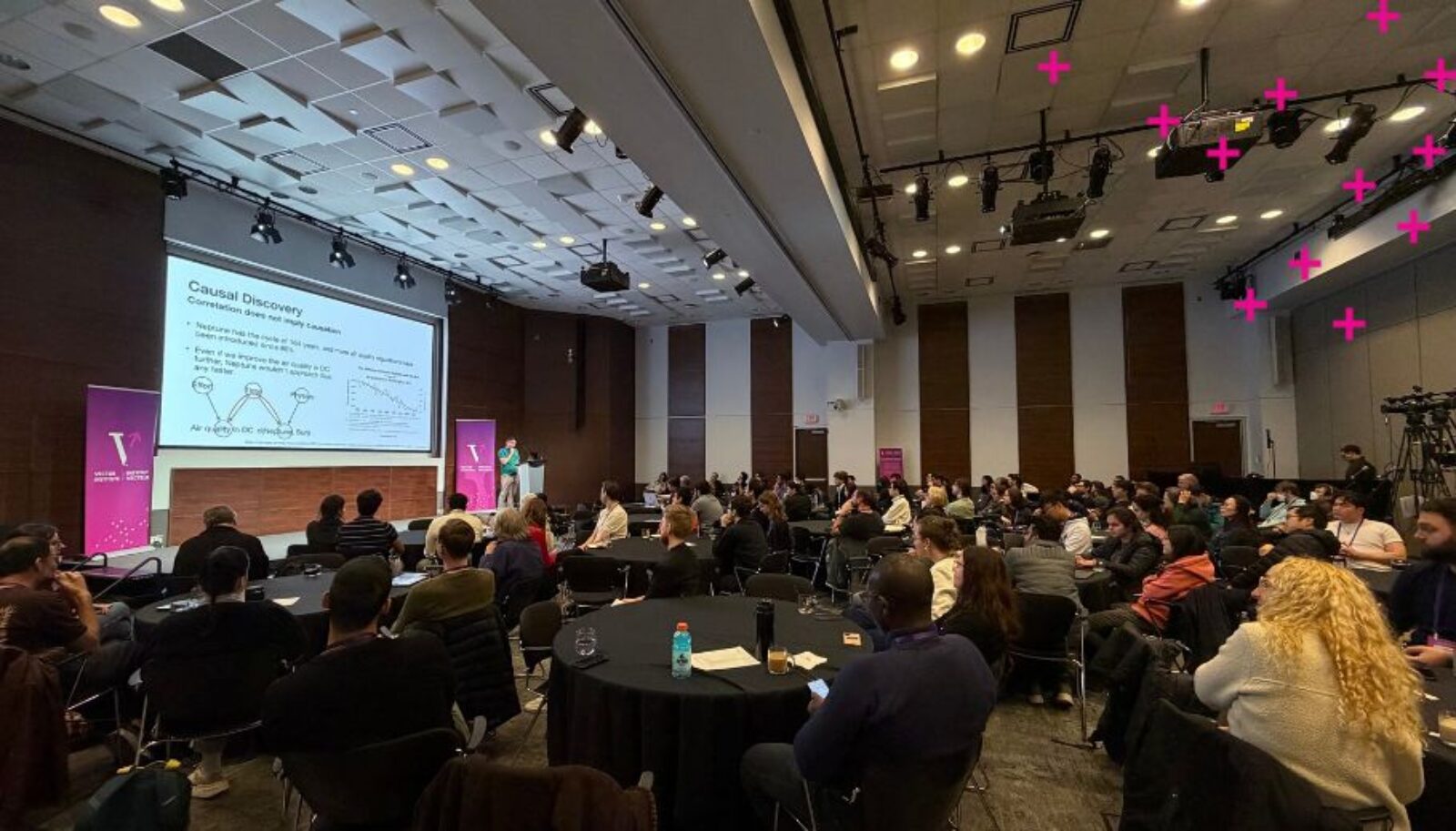
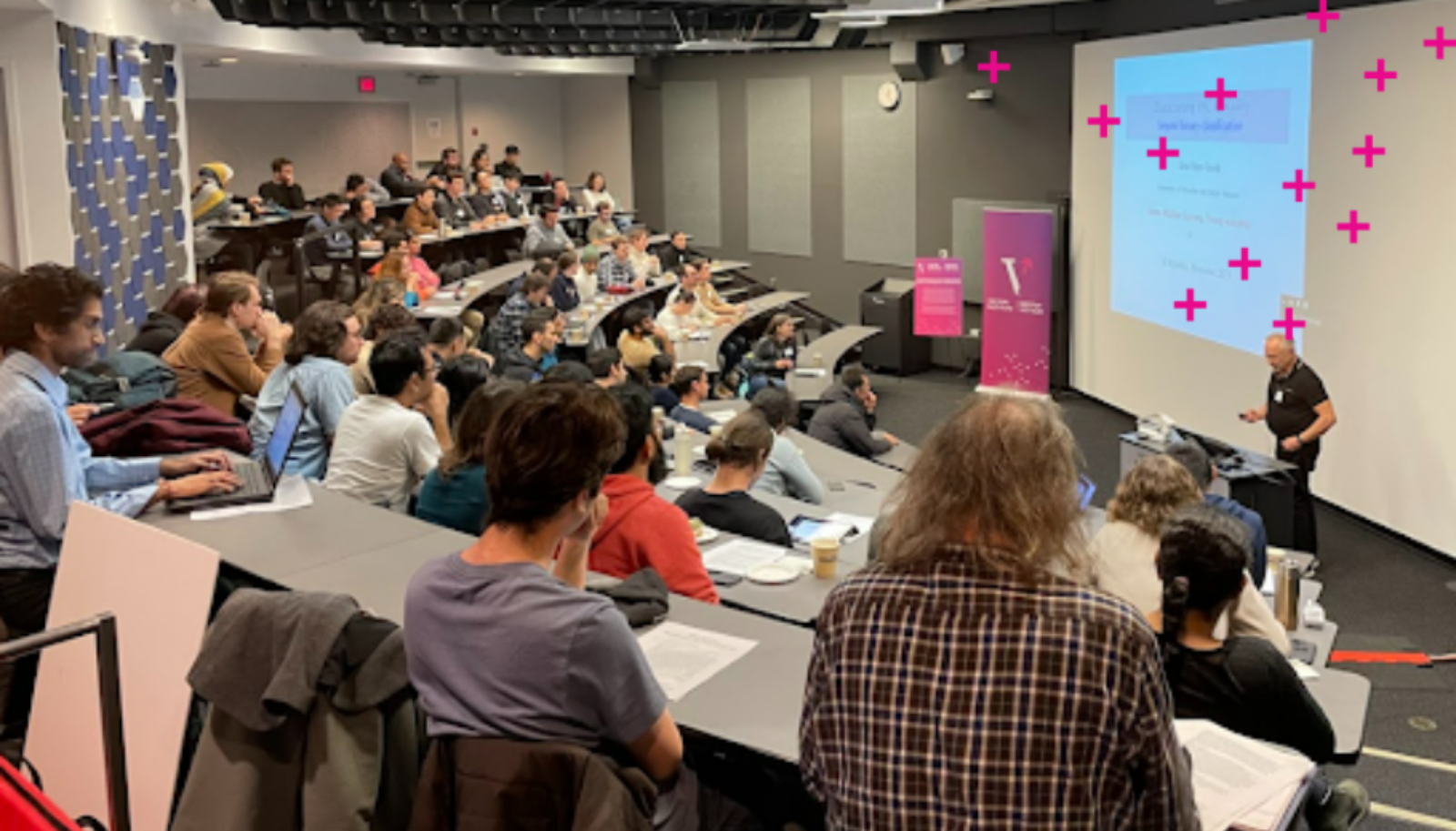
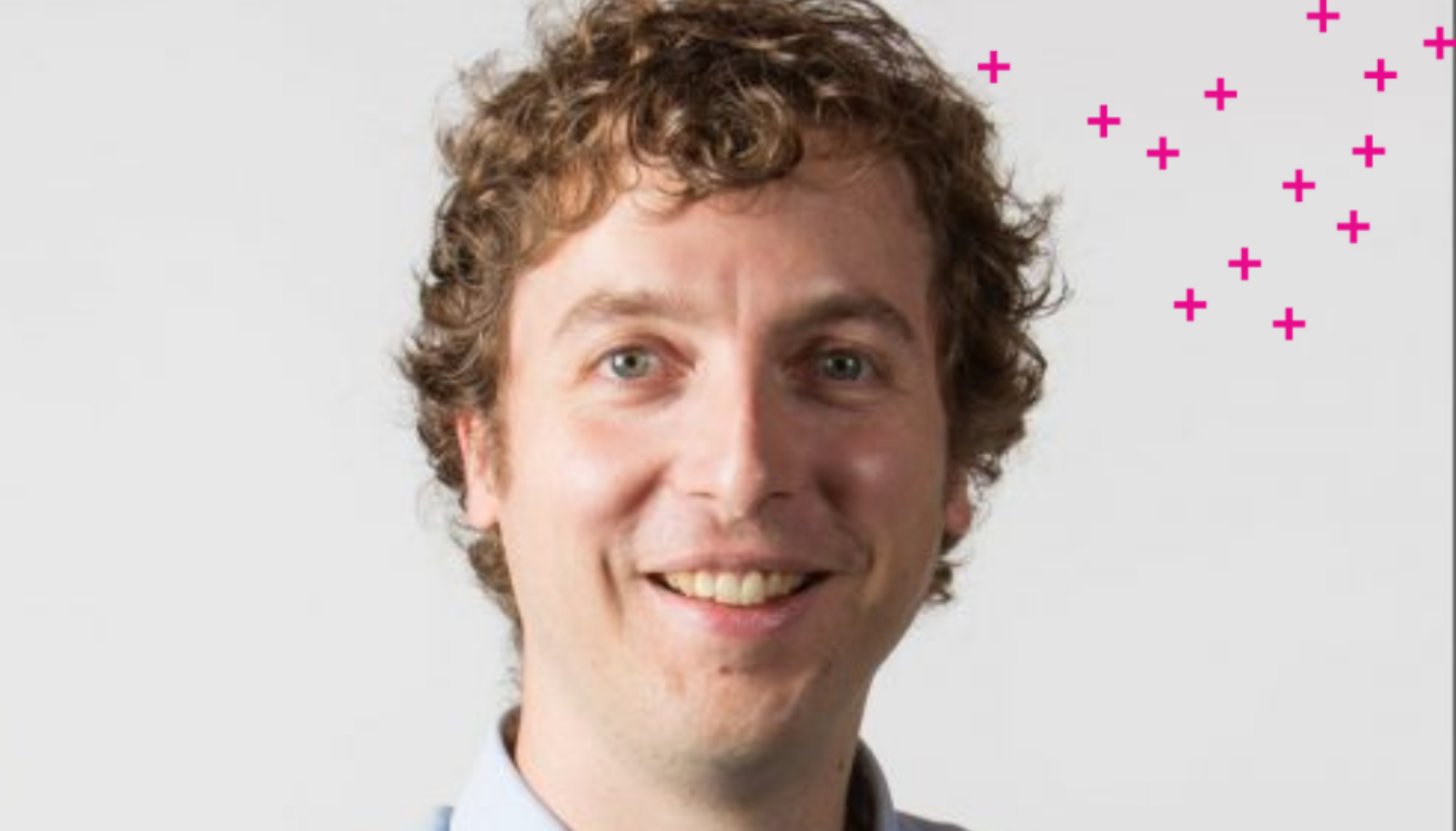
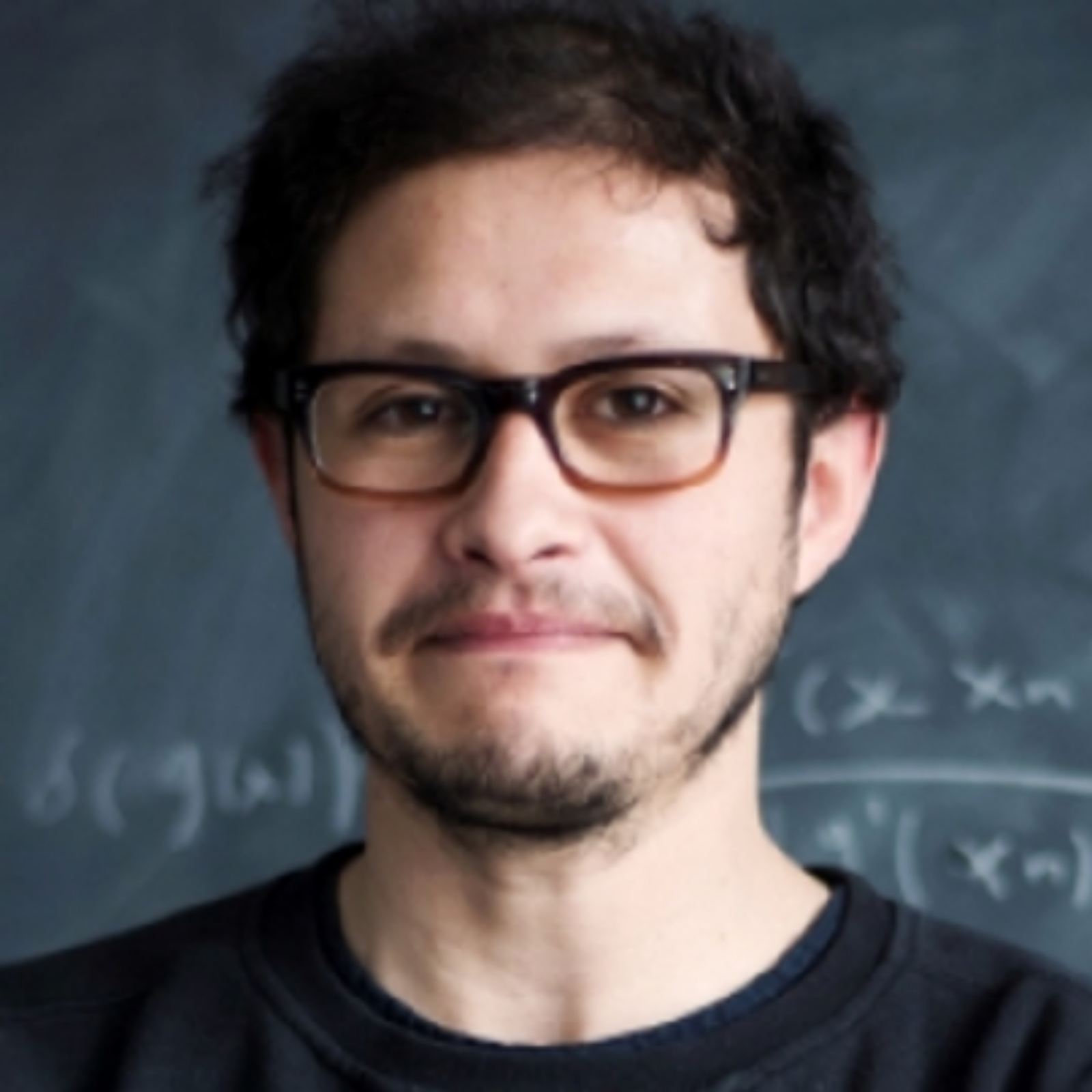
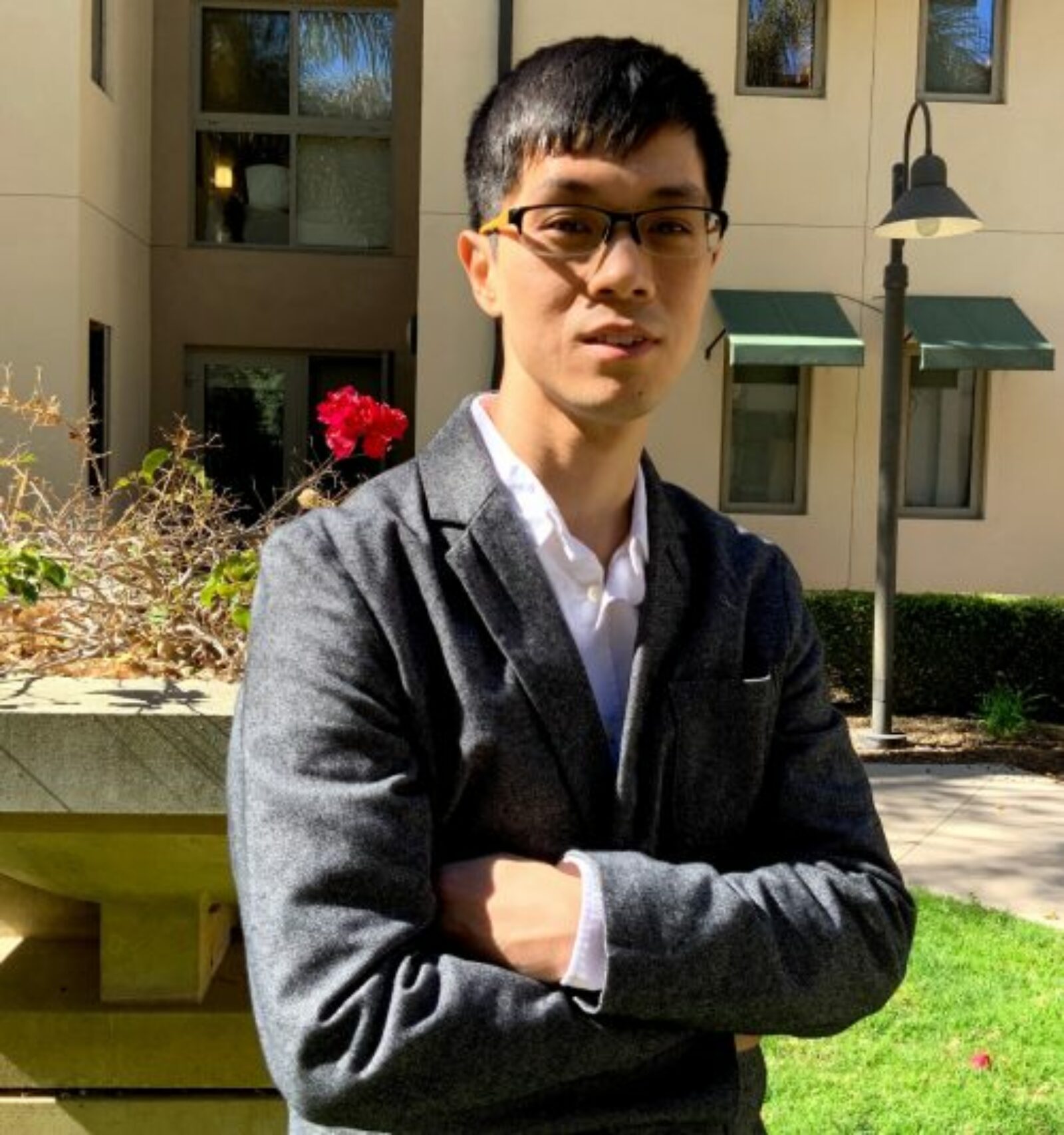
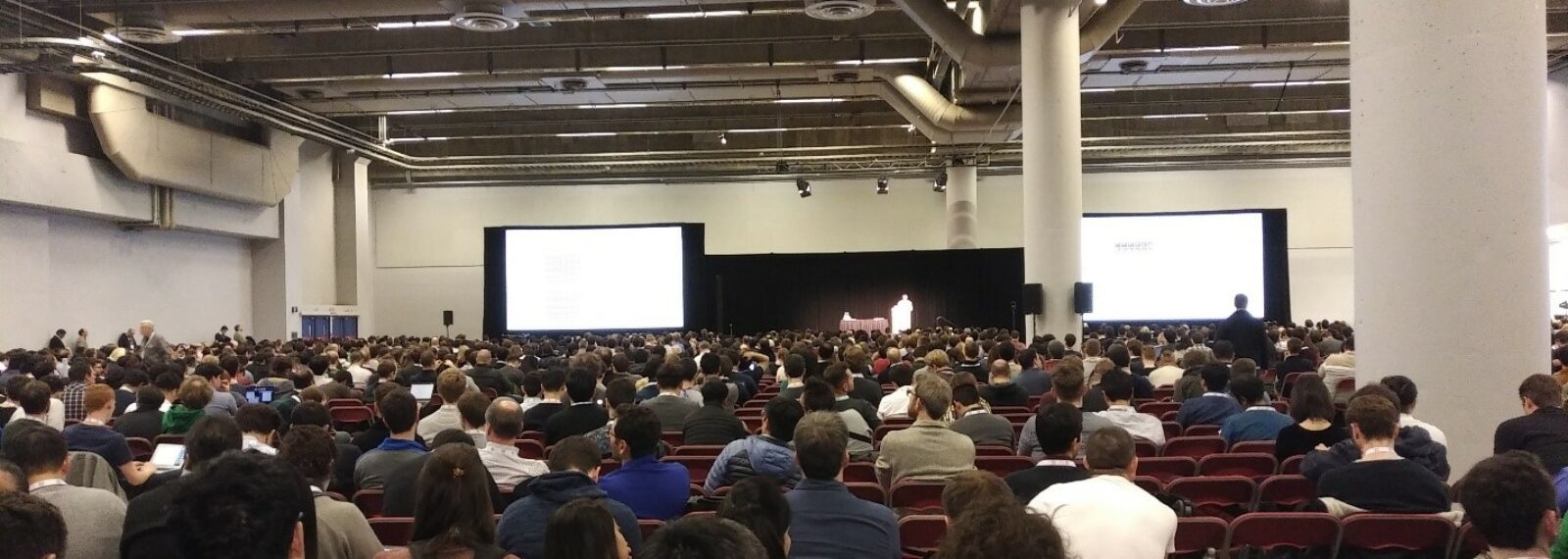
The agreement was announced at the Φ-innovation Summit, held June 23–25 at ESA’s ESRIN facility in Frascati, Italy – home of ESA’s Φ-lab, the agency’s flagship Earth observation innovation hub. The Summit drew leading researchers and technologists from institutions around the world for three days of open, community-driven dialogue on the future of Earth observation. As part of the collaboration, Vector Faculty Member Evan Shelhamer has joined ESA’s Φ-lab as a visiting professor, embedding deep learning expertise directly into the lab’s research operations.
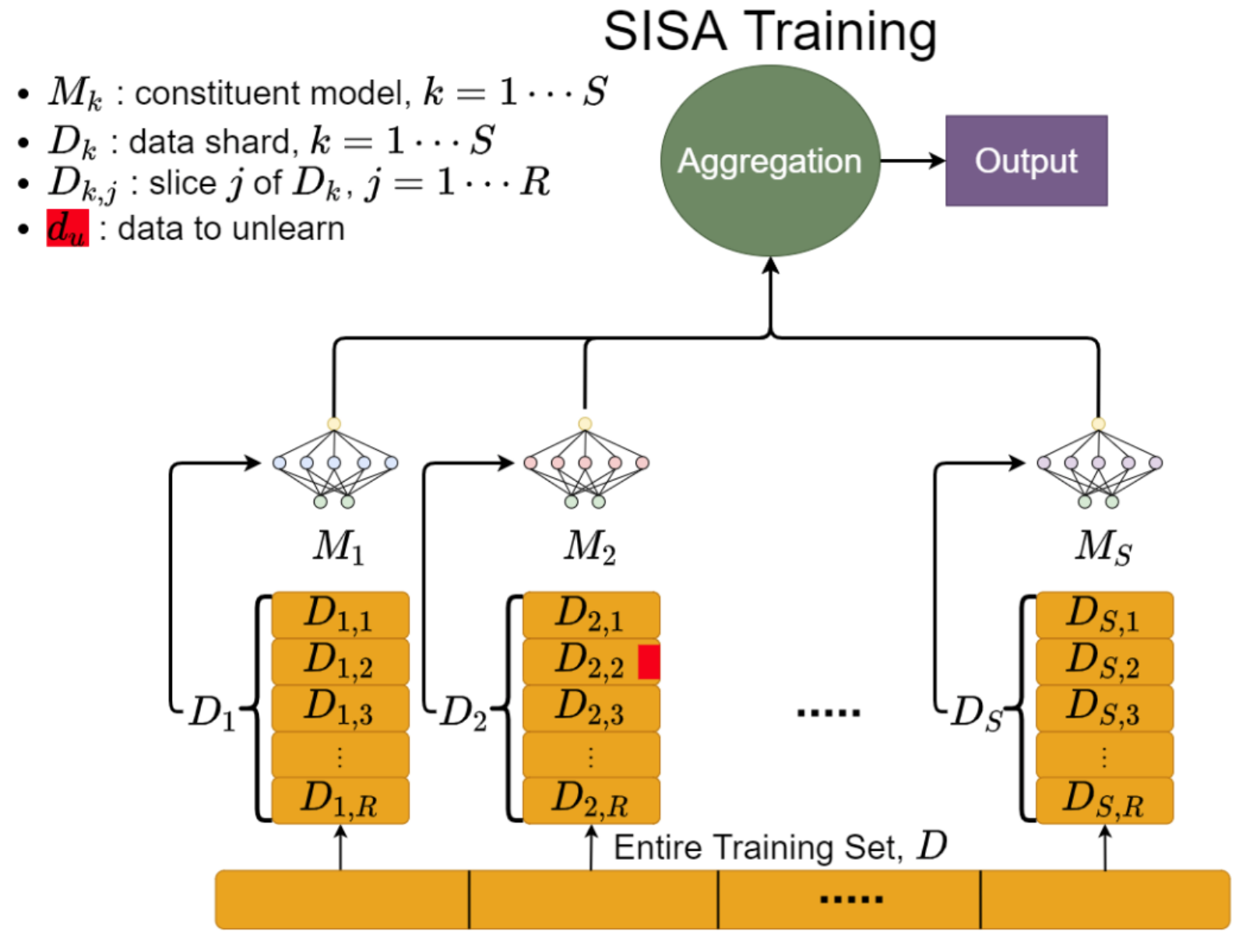
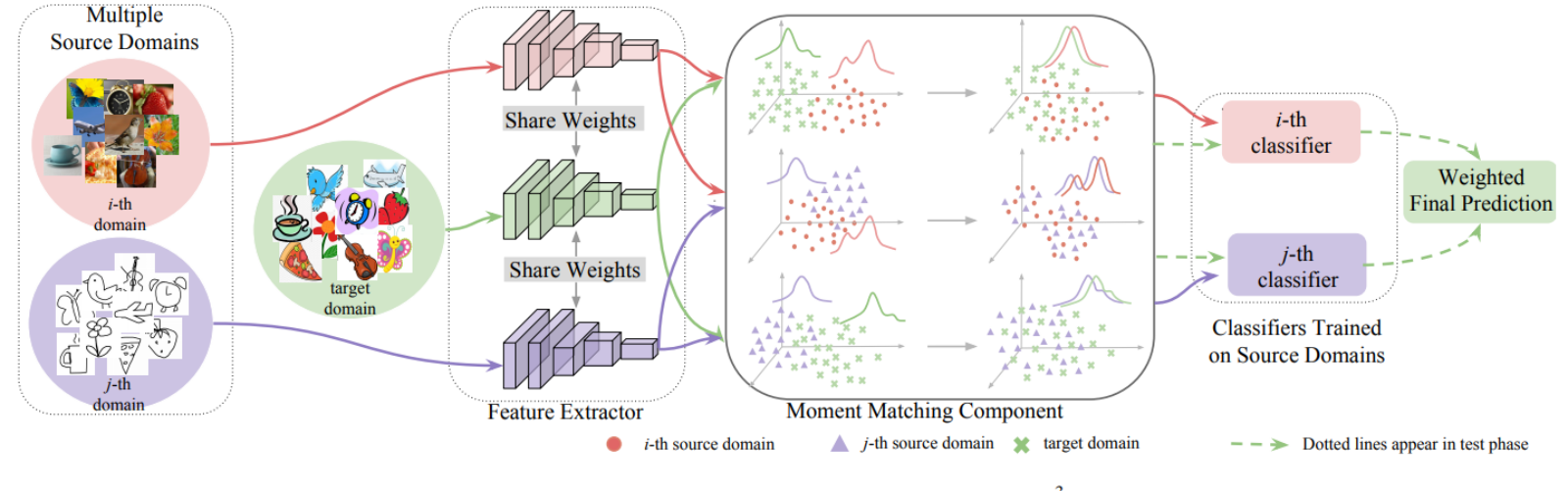
Shelhamer contributed to the Summit on two key fronts. His keynote, “Multi-Modelling: If One Model is Good, More Can Be Better!”, made the case that purpose-built AI models working in concert can deliver stronger, more accurate, and more efficient results for complex Earth observation tasks than a single scaled system – a direct challenge to the prevailing assumption that bigger is always better in AI. He also joined a panel on AI sovereignty and democratization, “Who owns AI models?”, engaging with one of the most consequential questions in the field: who controls advanced AI tools and how do we ensure the science built on them stays open?
“The data from Earth observation is vast, multi-modal, and multi-scale, and the AI models we build to interpret it require large-scale resources to power analyses and applications. The critical question for our community is: who controls these tools and how do we ensure they are built to keep science open and accessible? This partnership with ESA puts that question at the centre of the work – not as an obstacle, but as a design principle.”
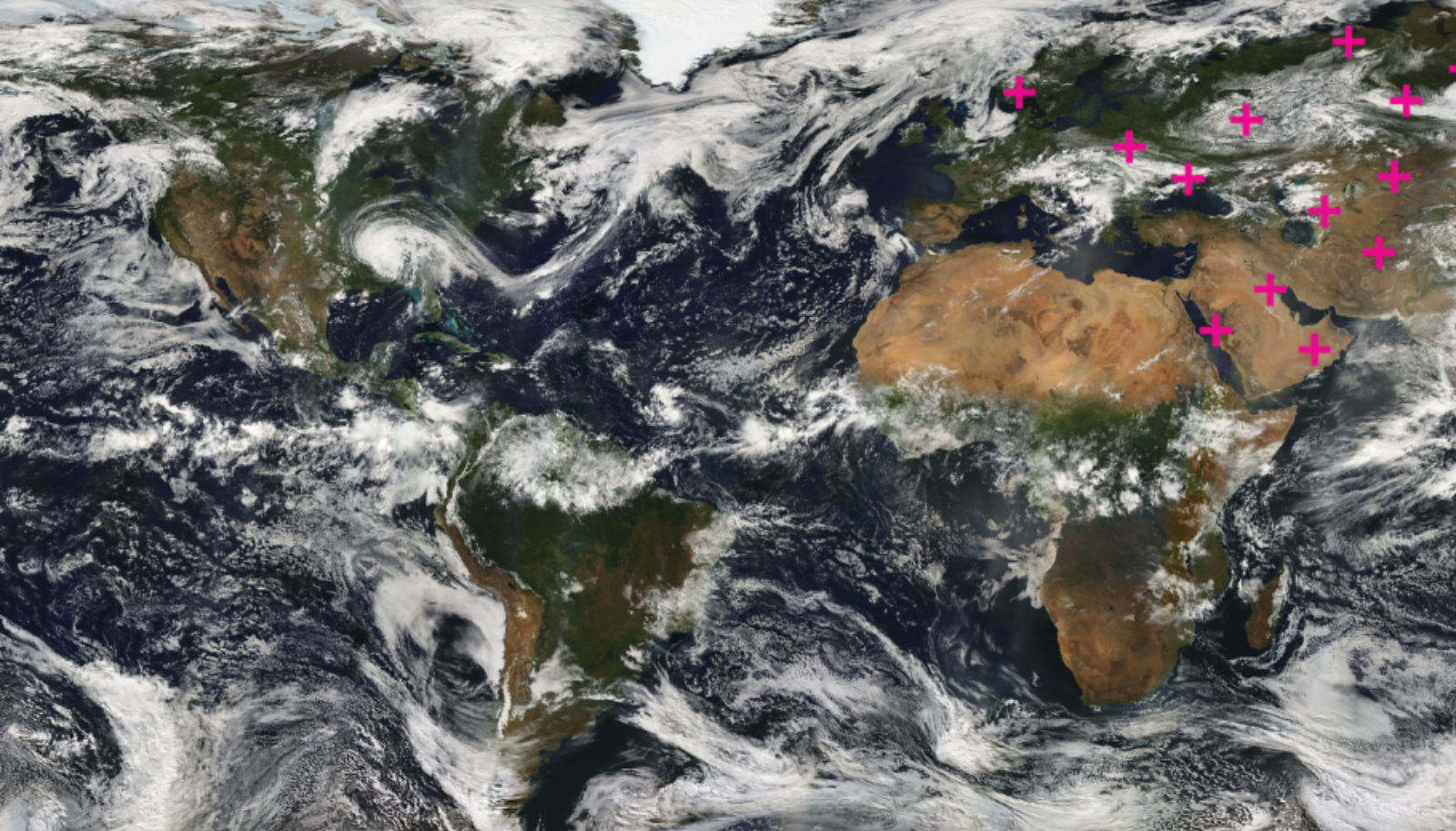
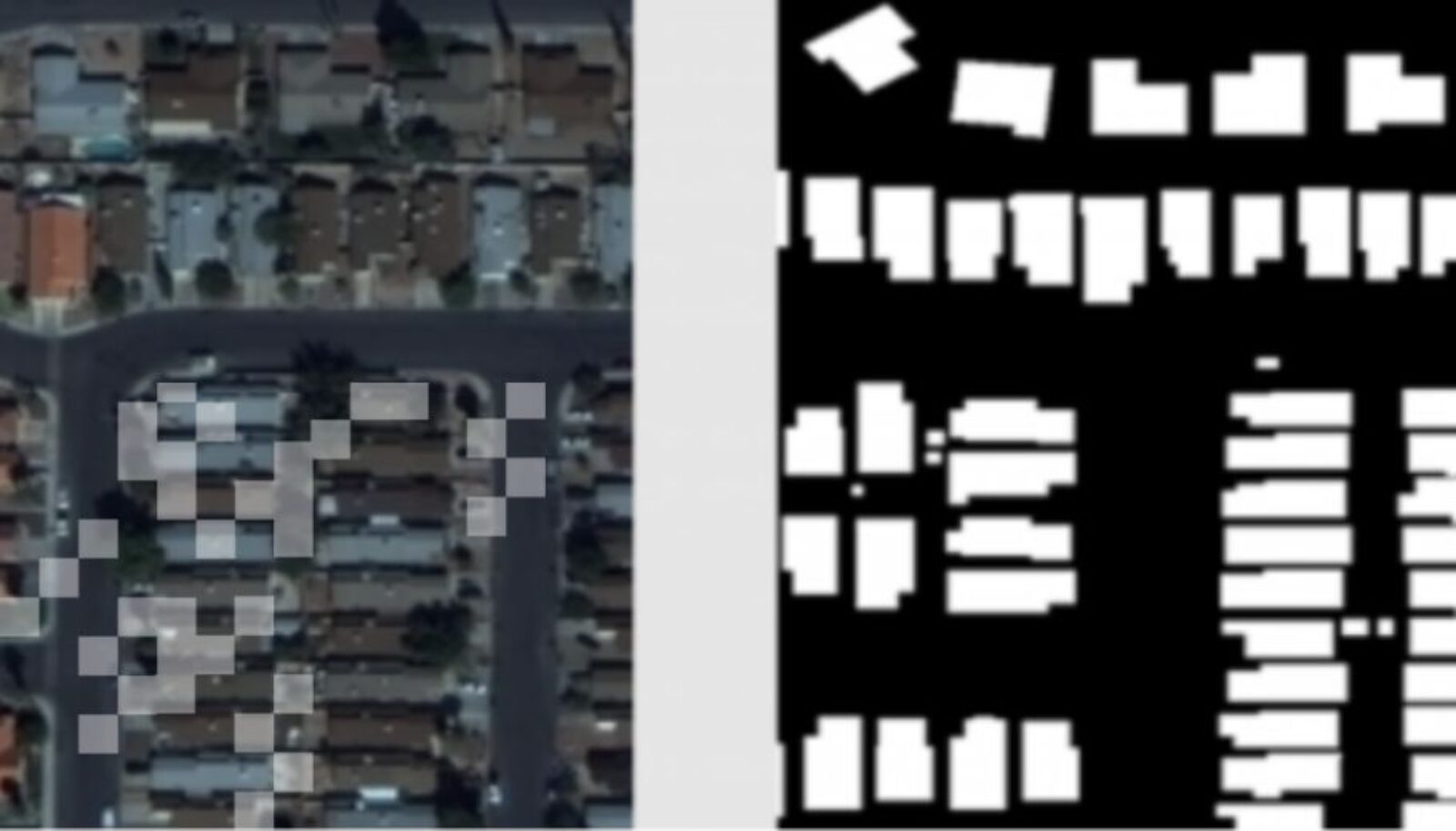
The collaboration sits at the intersection of two fields that urgently need each other. ESA’s constellation of Copernicus Sentinel satellites generates vast streams of Earth observation data – from optical imagery to synthetic aperture radar – but translating that data into actionable insight at scale demands advanced AI modelling. Vector brings precisely that expertise: world-class depth in deep learning, foundation models, and large-scale machine learning that can unlock what satellite data alone cannot reveal.
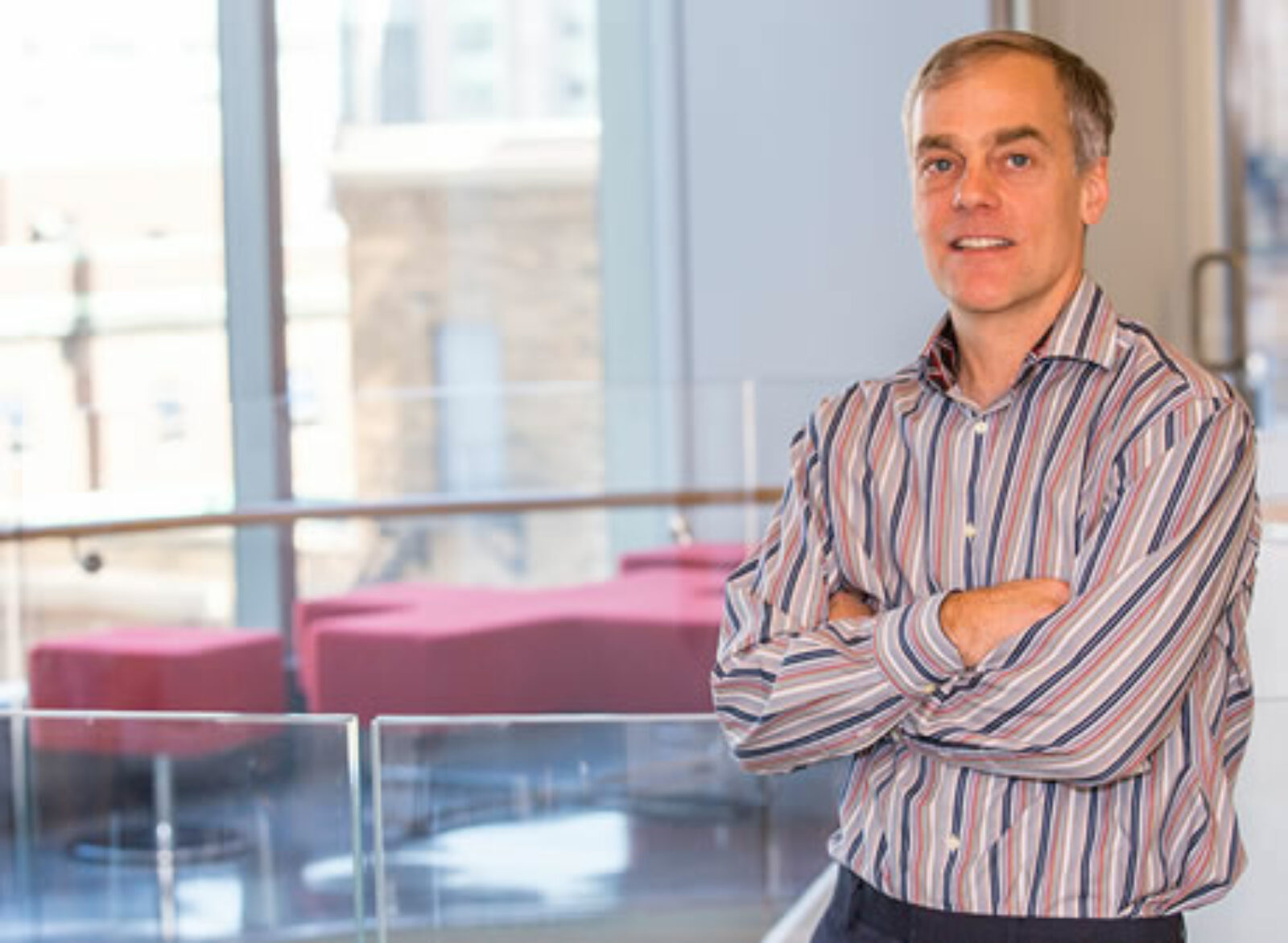
“This is more than a research agreement; it’s an alignment of philosophies. ESA was built on the principle that no single nation can understand the planet alone. Vector was built on the idea that AI’s biggest challenges demand open, multi-disciplinary science. By embedding our researchers in ESA’s global framework, we aren’t just sharing expertise – we’re building tools for a shared planetary challenge and ensuring the insights belong to everyone.”
Initial priorities will focus where that intersection matters most: climate science and Arctic monitoring – fields where AI-driven analysis can meaningfully accelerate discovery and where Canada has deep sovereign and scientific interests, from ensuring safe passage through northern waters to protecting fragile Arctic ecosystems that serve as early indicators of global climate change.
Vector’s presence at the Φ-innovation Summit – through Shelhamer’s research and through a formal partnership with ESA – reflects the global scope of what the institute’s research community is building: AI that doesn’t just advance the field, but fundamentally changes how we observe, interpret, and protect our world.
About the European Space Agency (ESA)
The European Space Agency (ESA) is Europe’s gateway to space. With 23 member states, ESA develops the European space program and delivers space benefits to citizens across Europe and the world. ESA’s Φ-lab, based at ESRIN in Frascati, Italy, is the agency’s dedicated Earth observation innovation hub – accelerating the development and adoption of disruptive technologies, including AI, to transform how humanity understands its planet.
Stay connected to Vector
Get the latest updates on breakthrough research, career opportunities, and developments in Canada’s AI community.