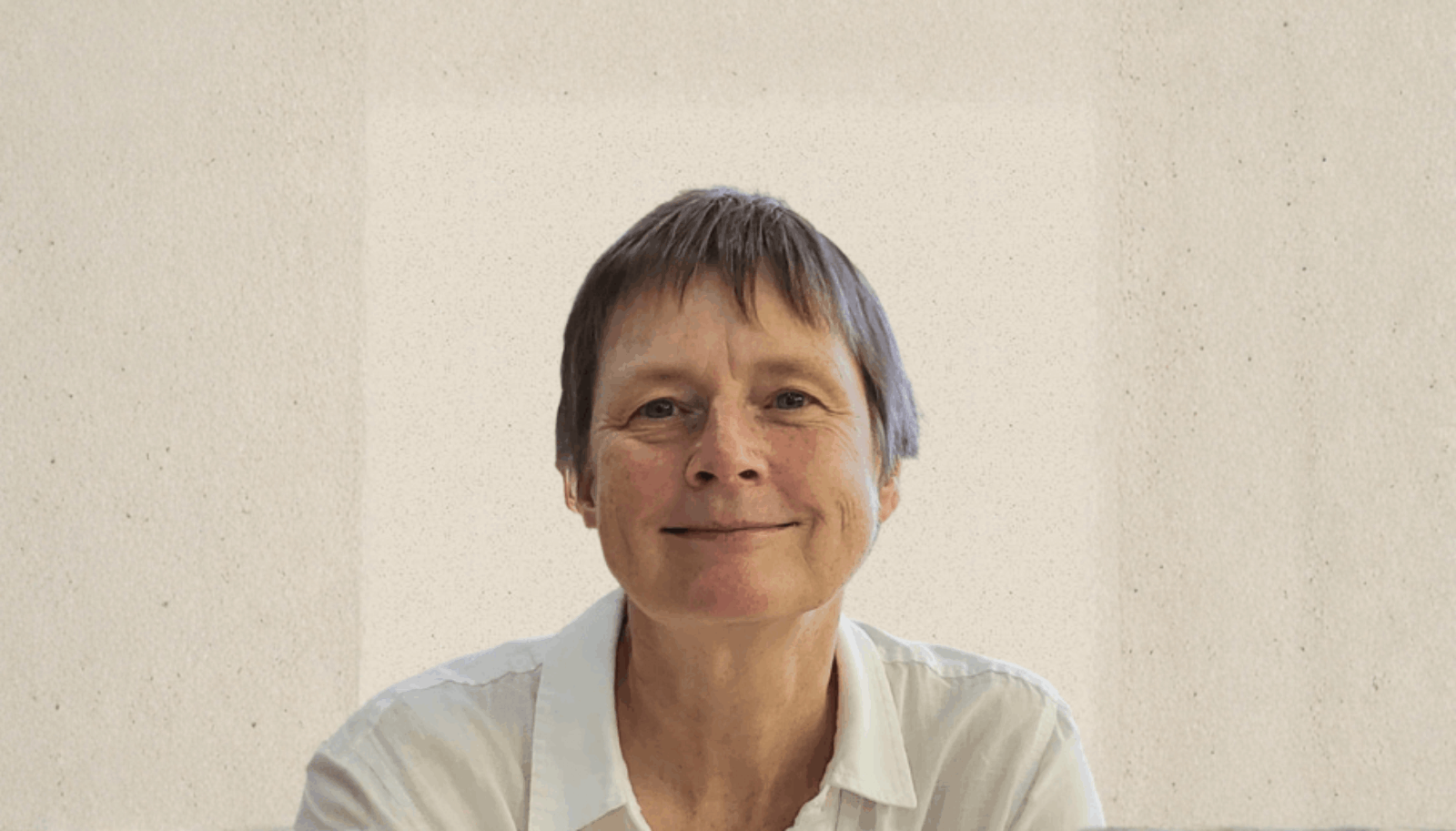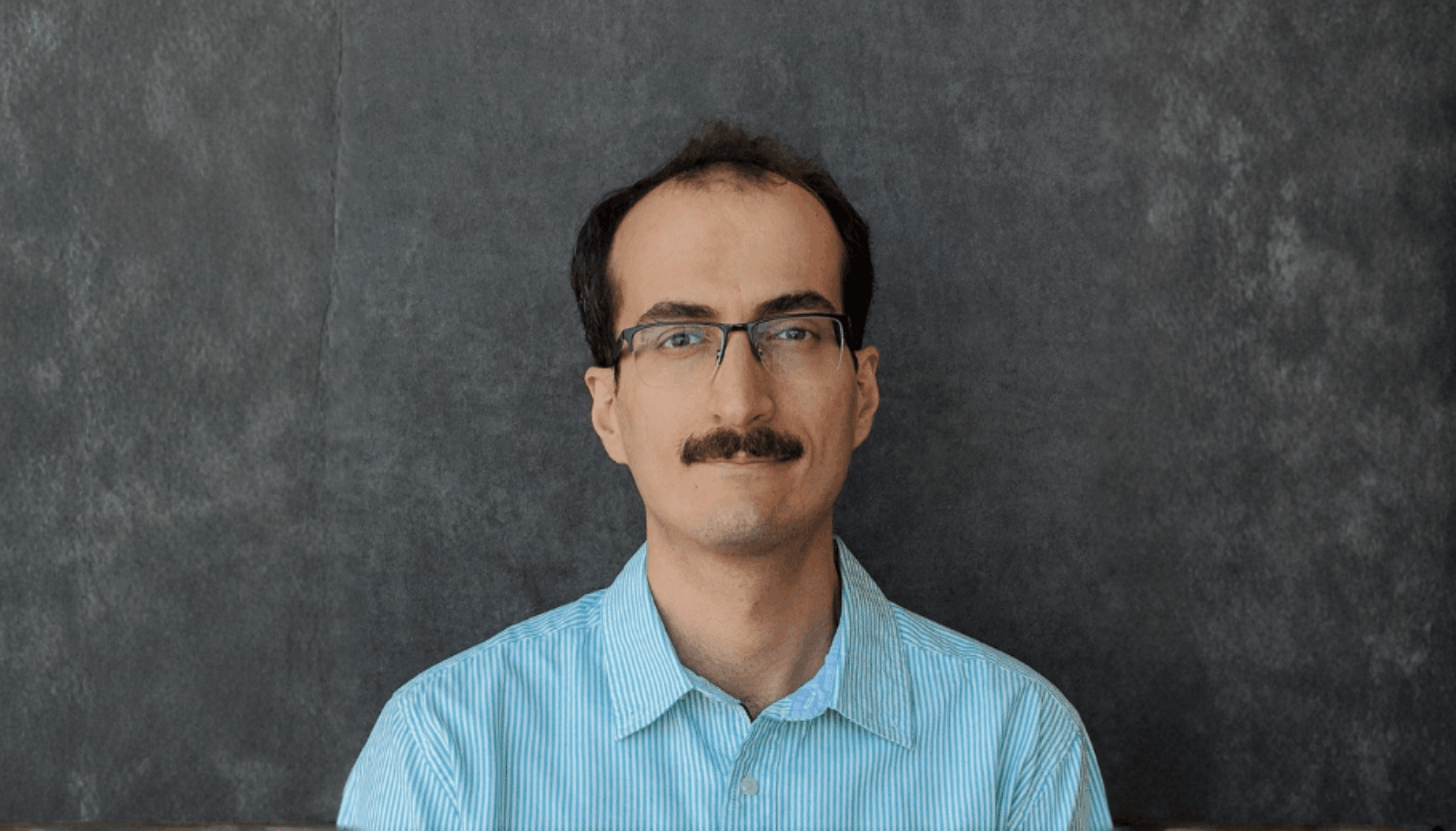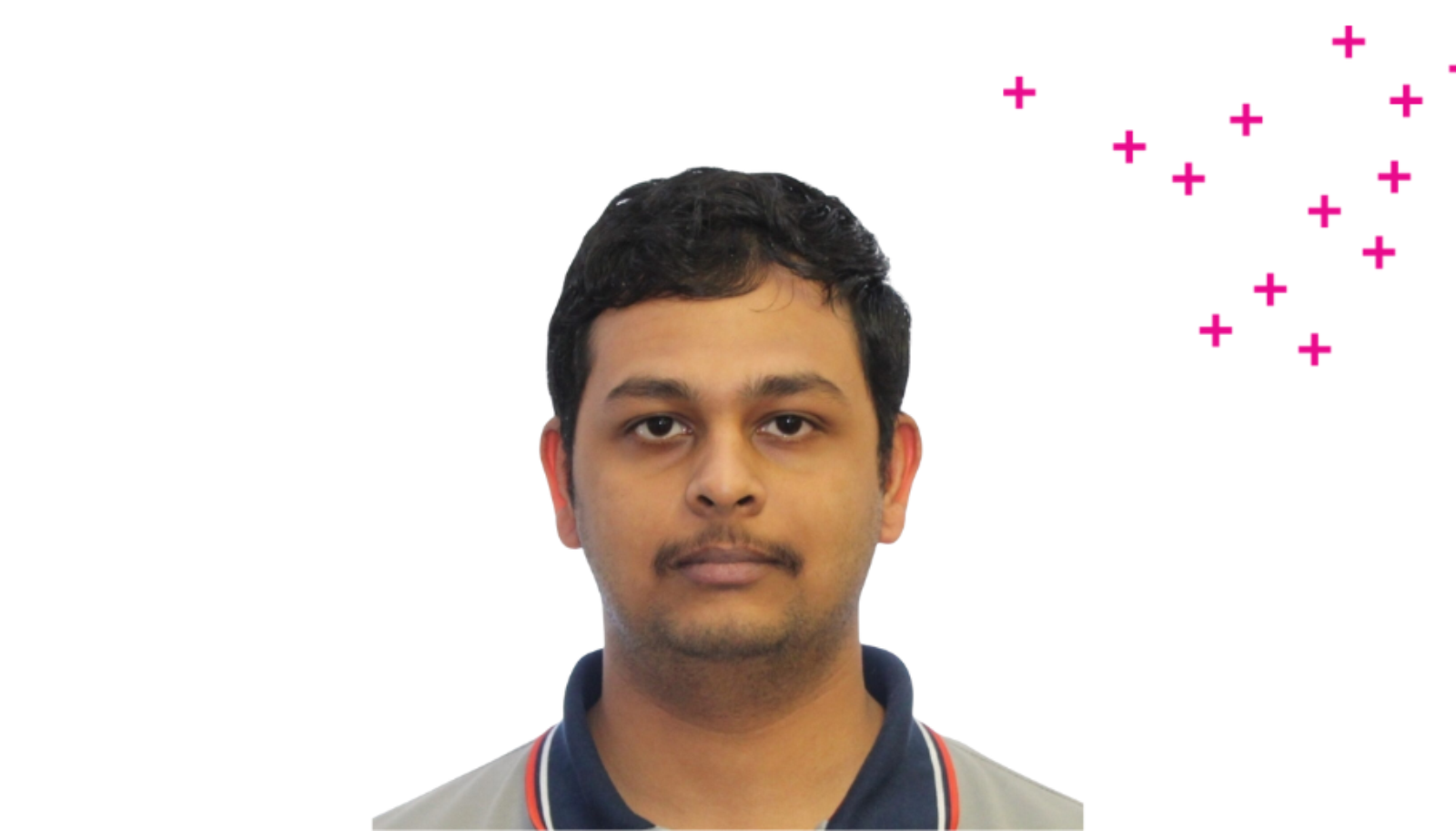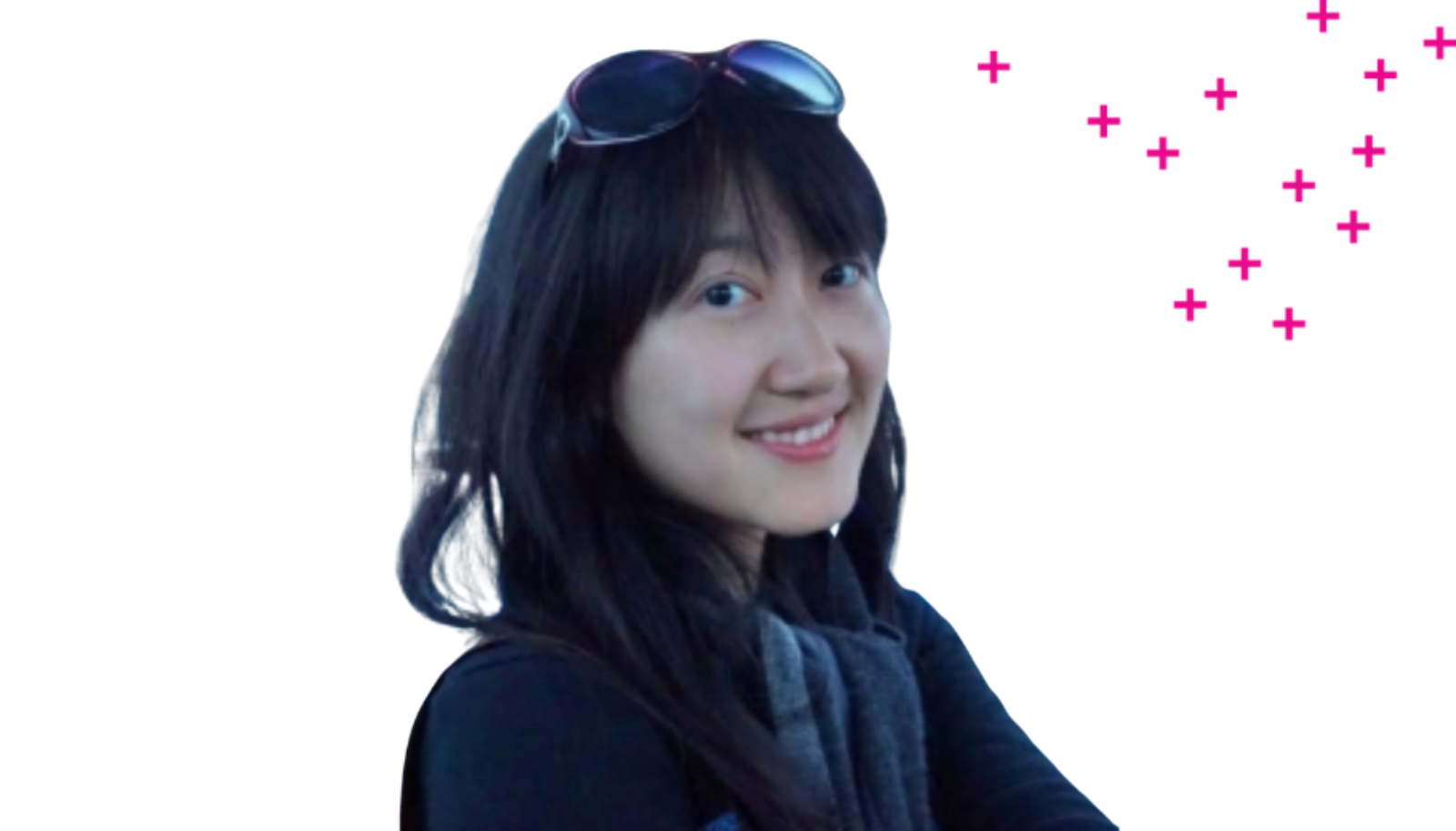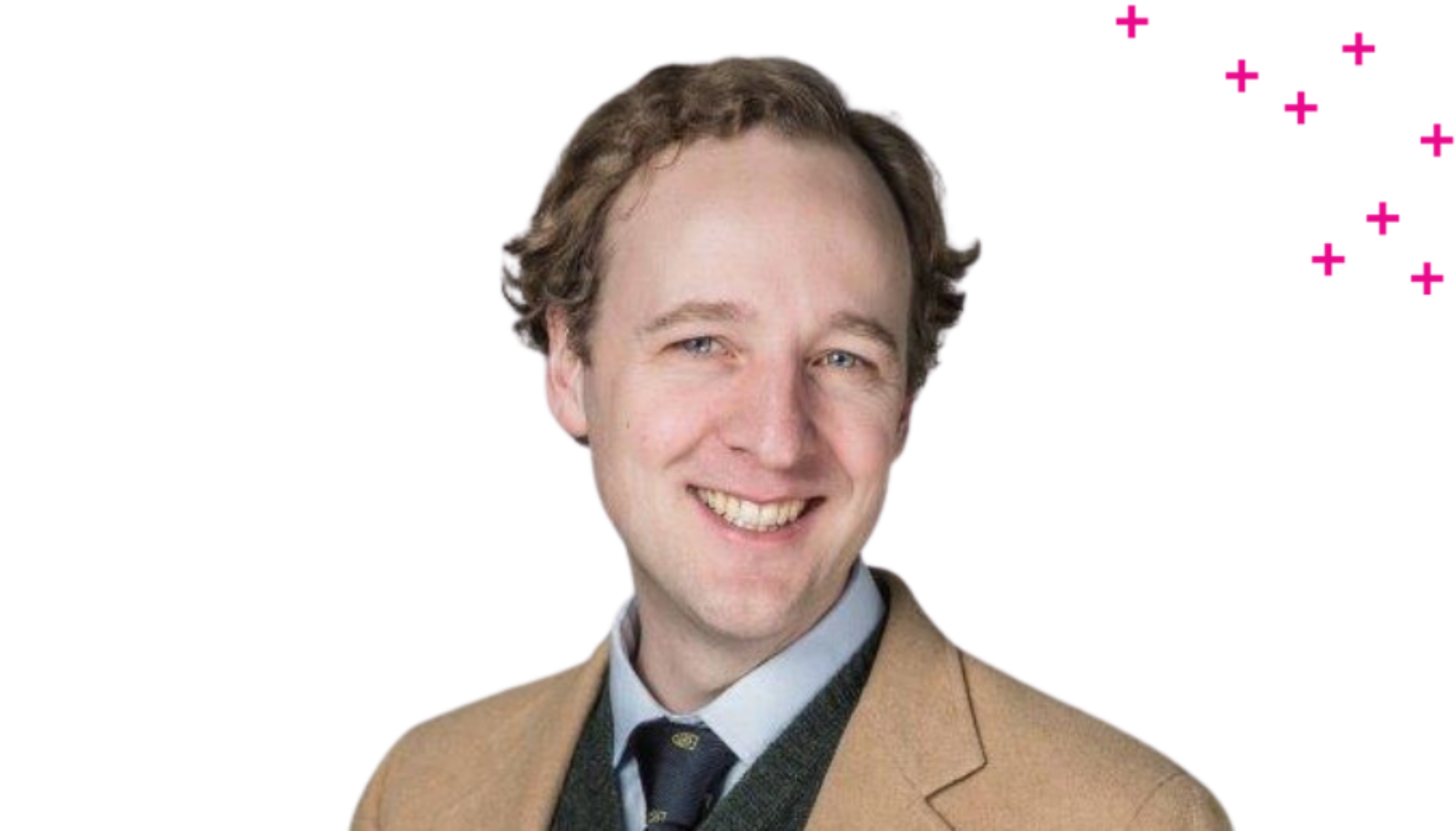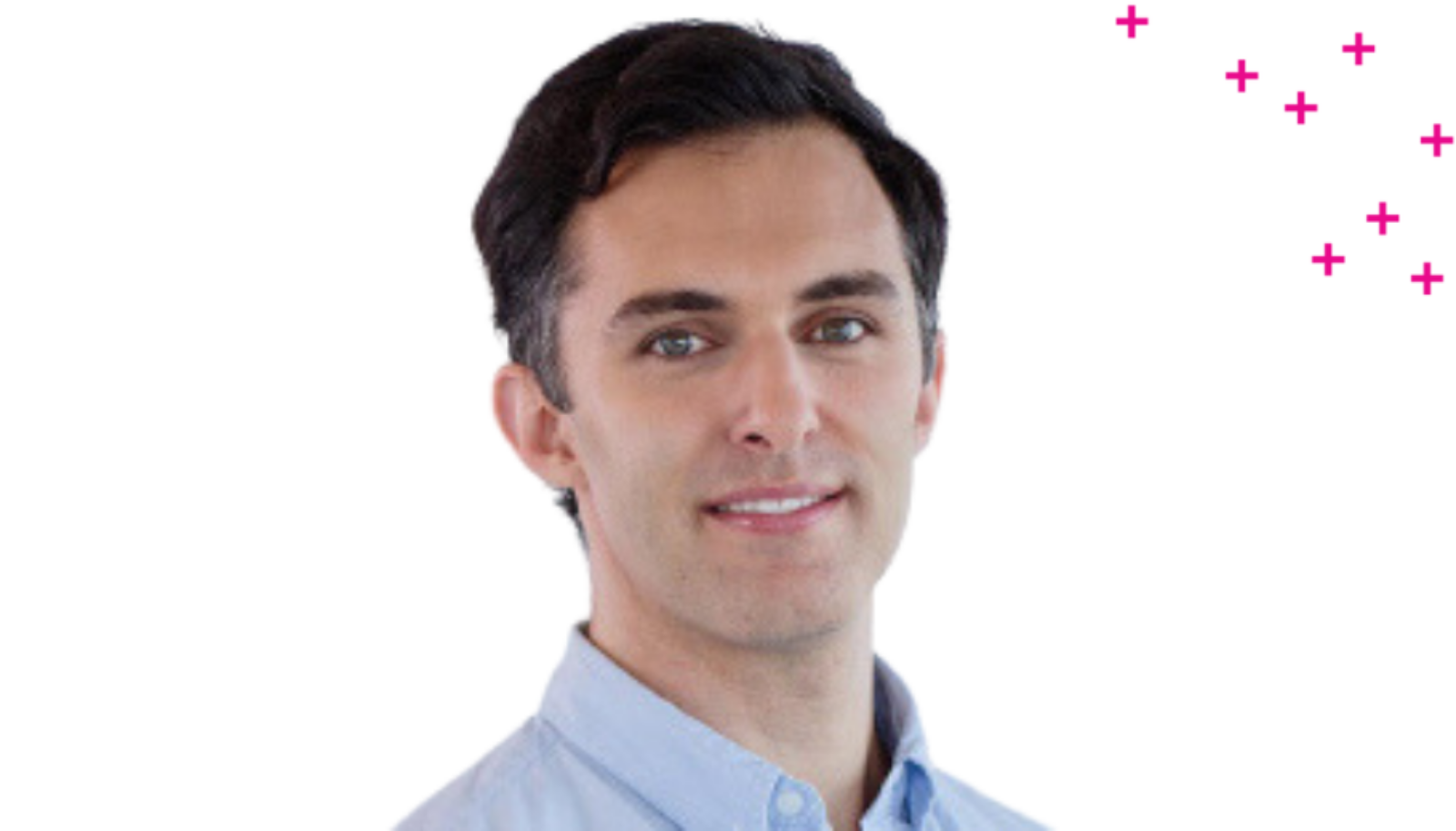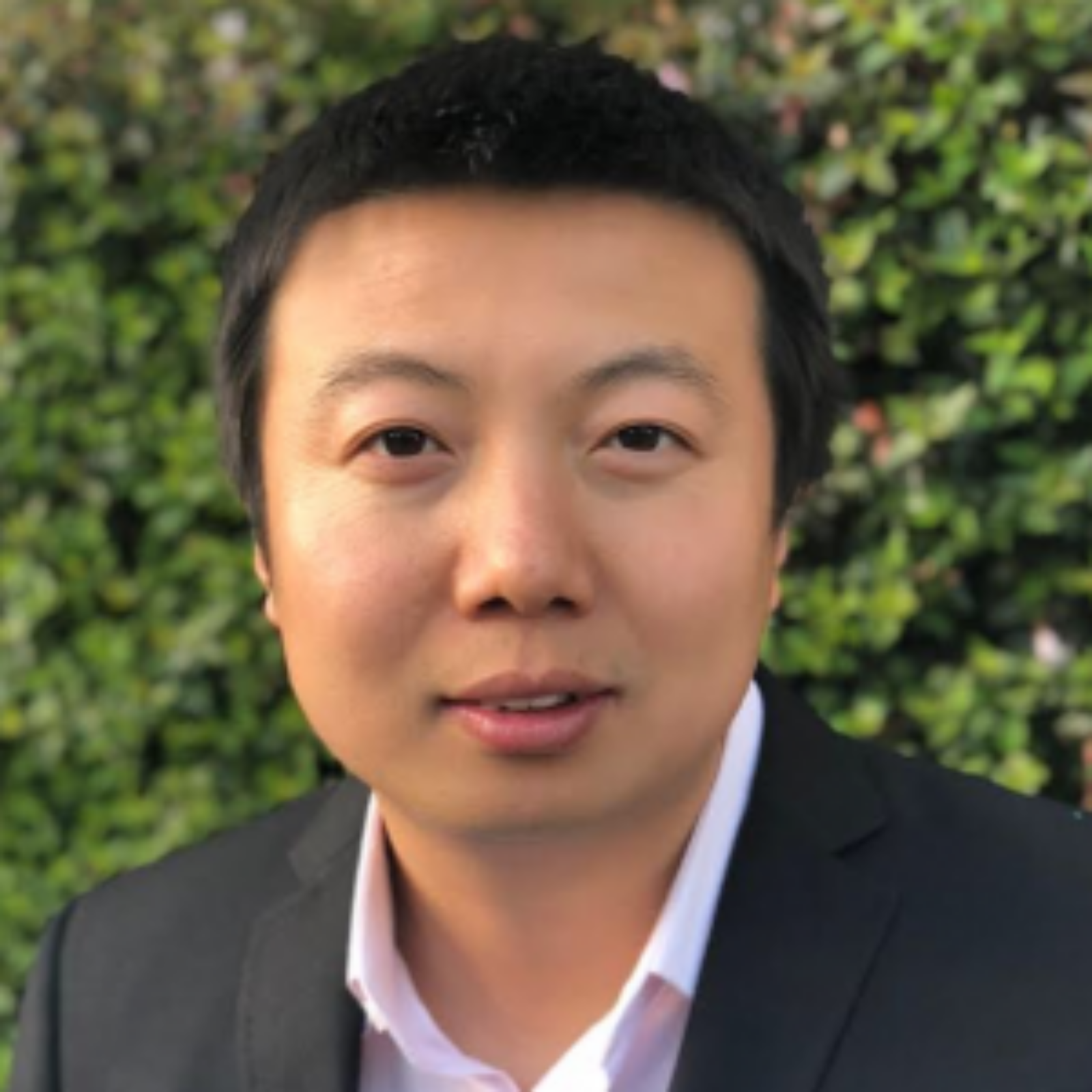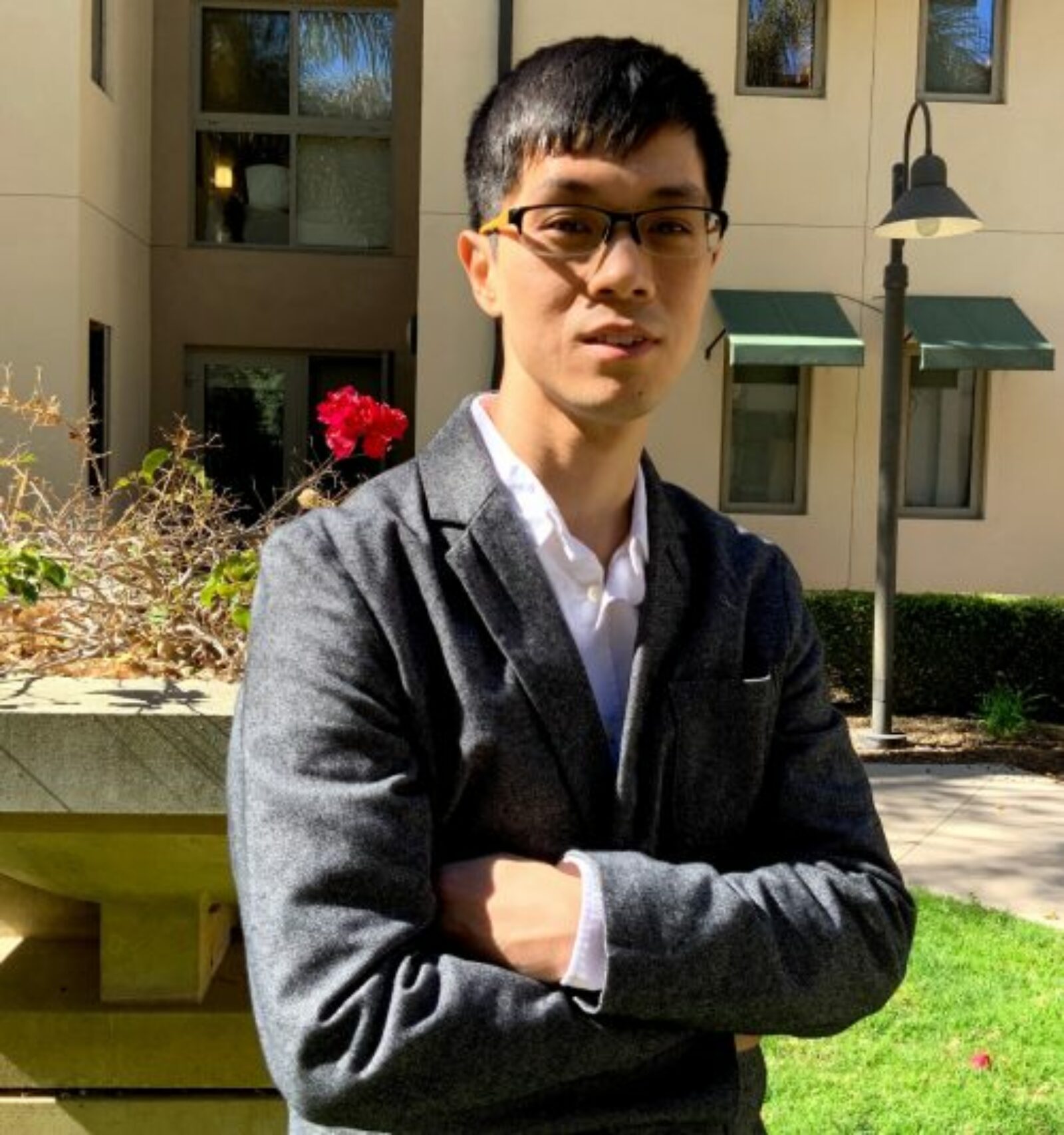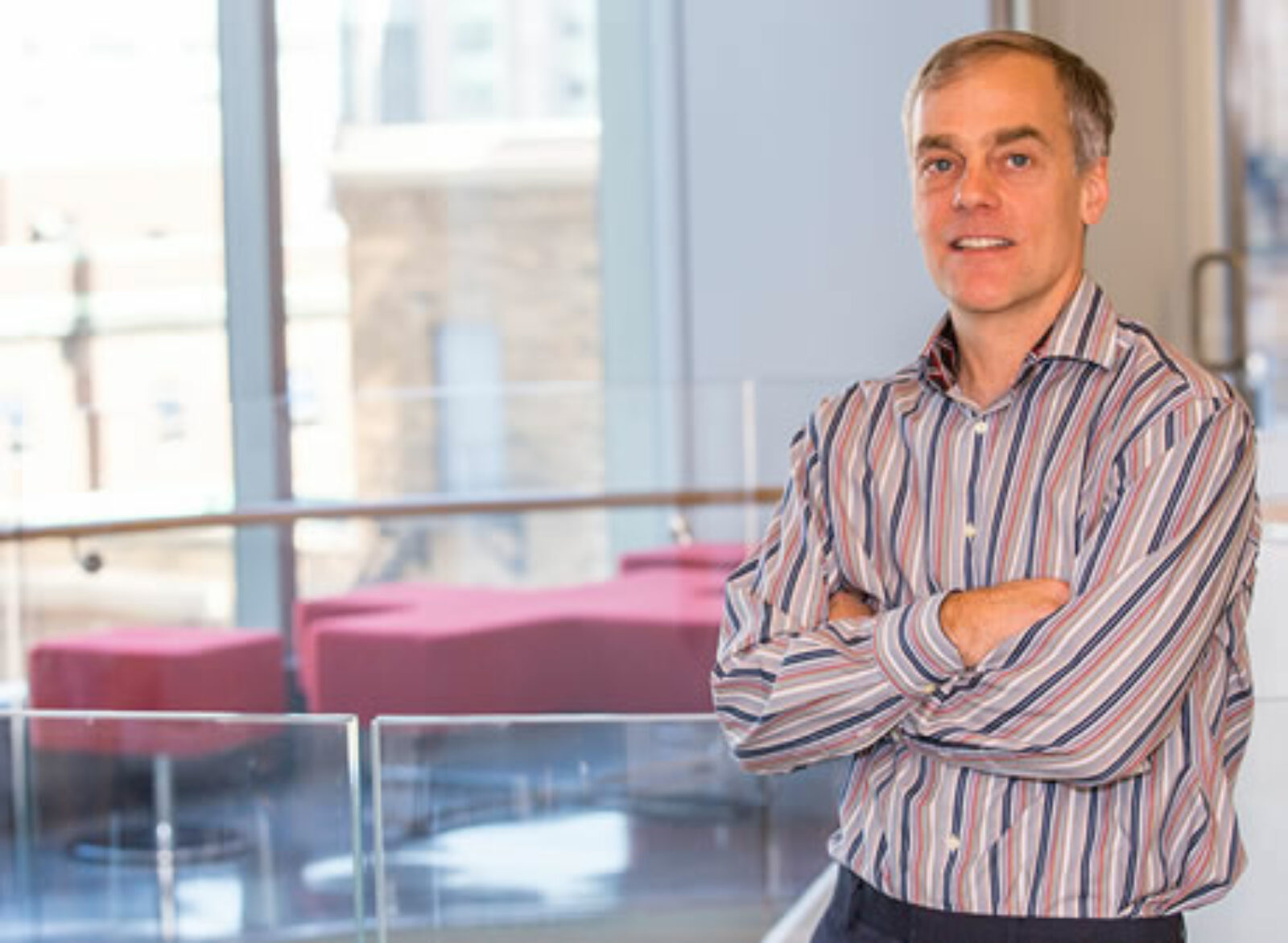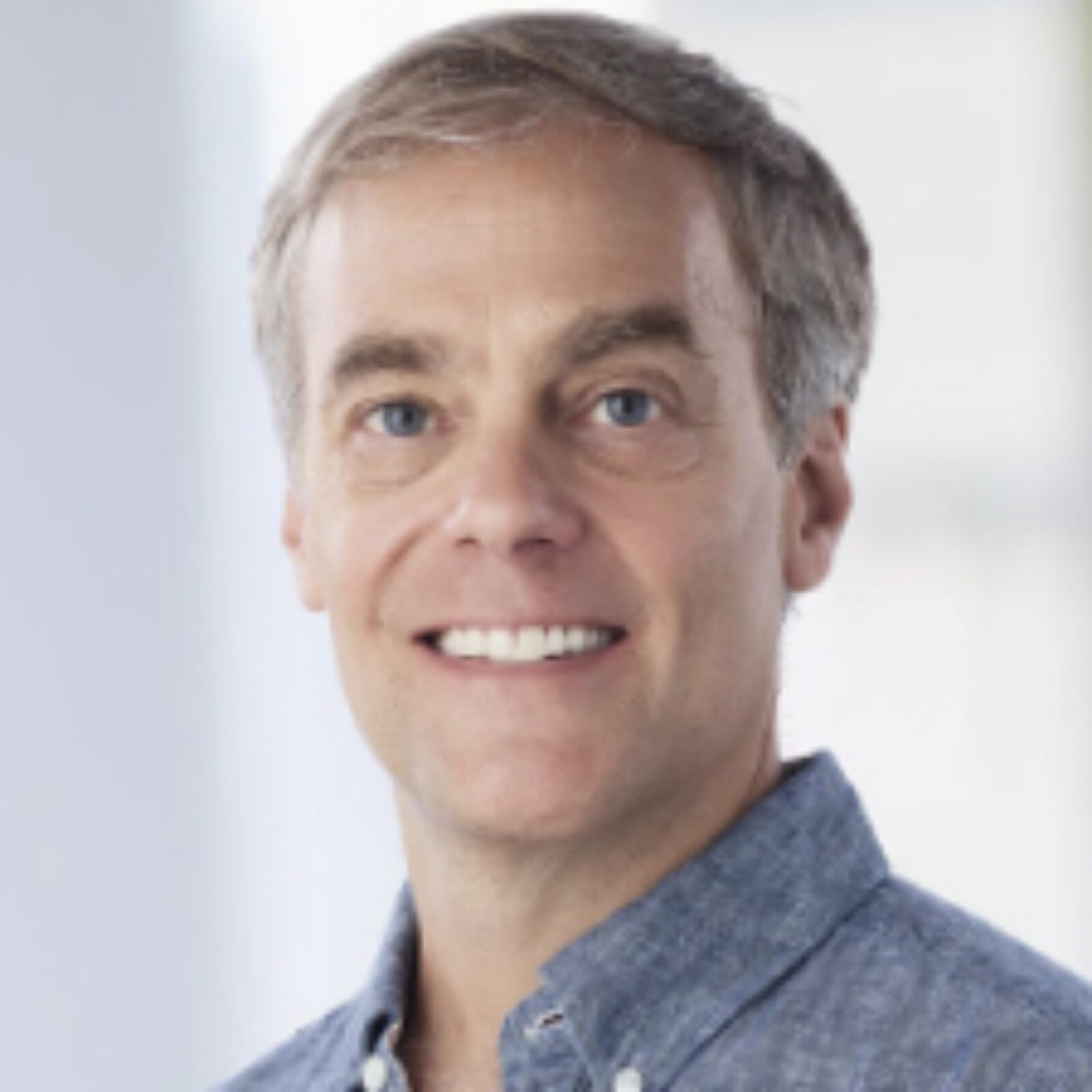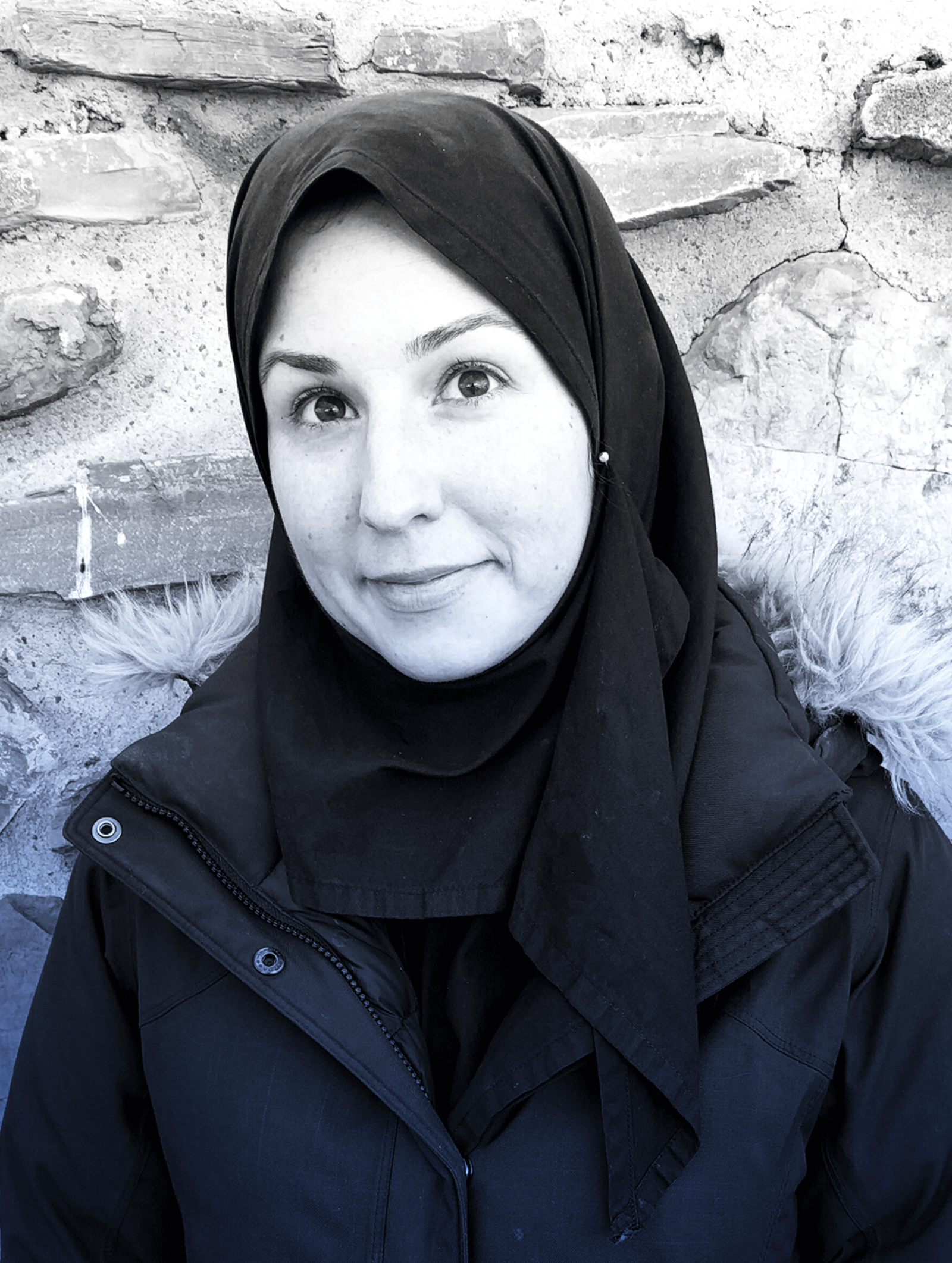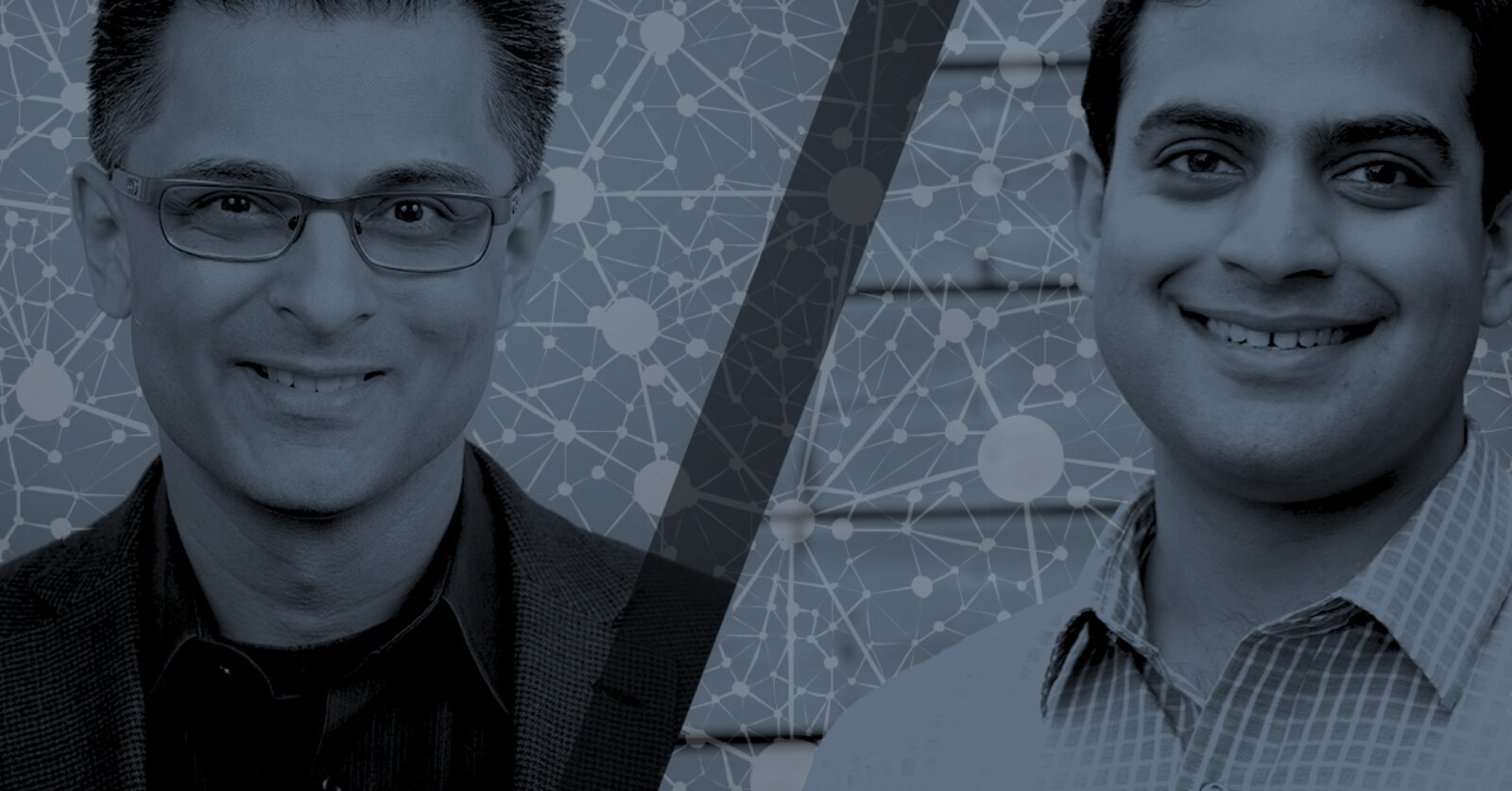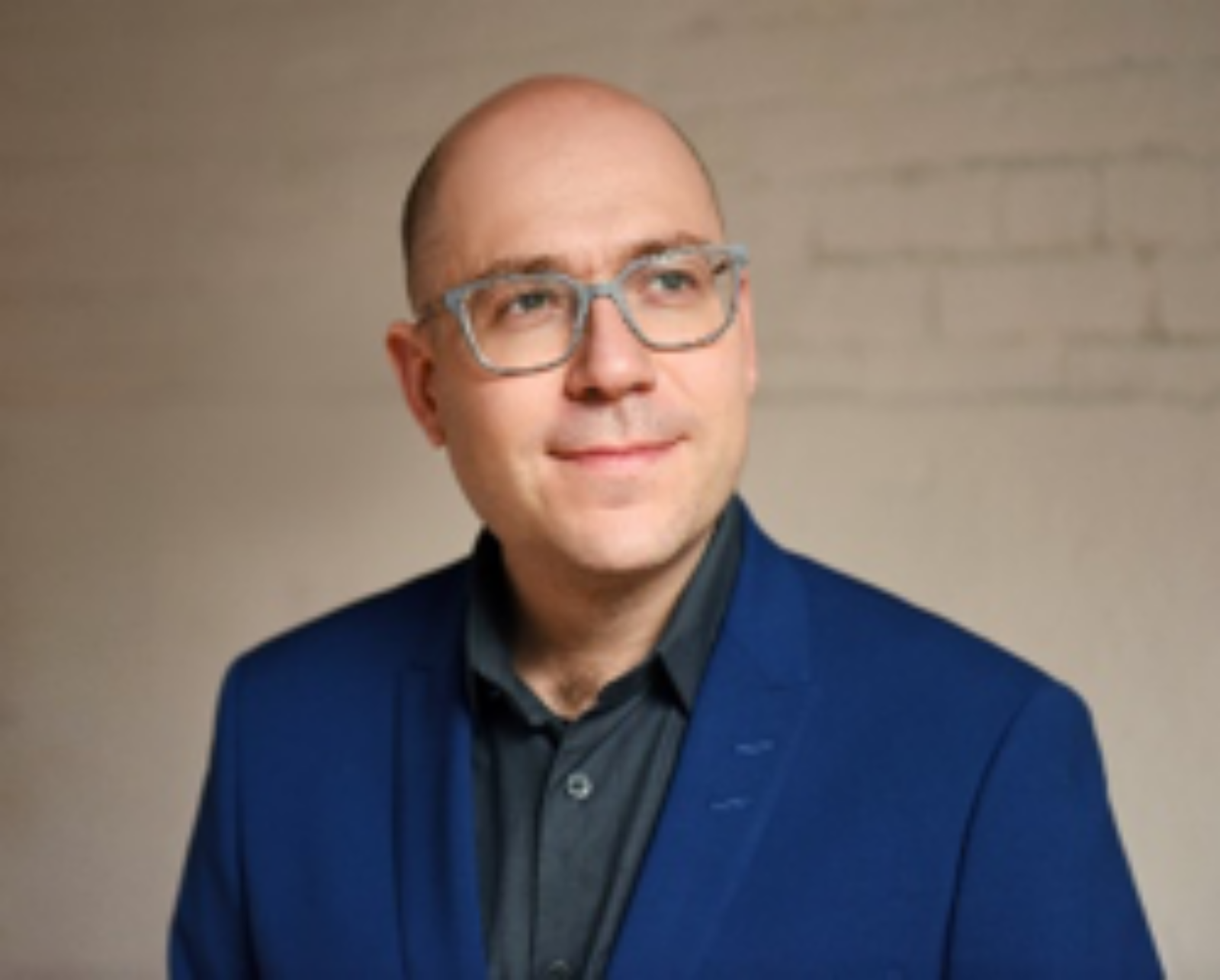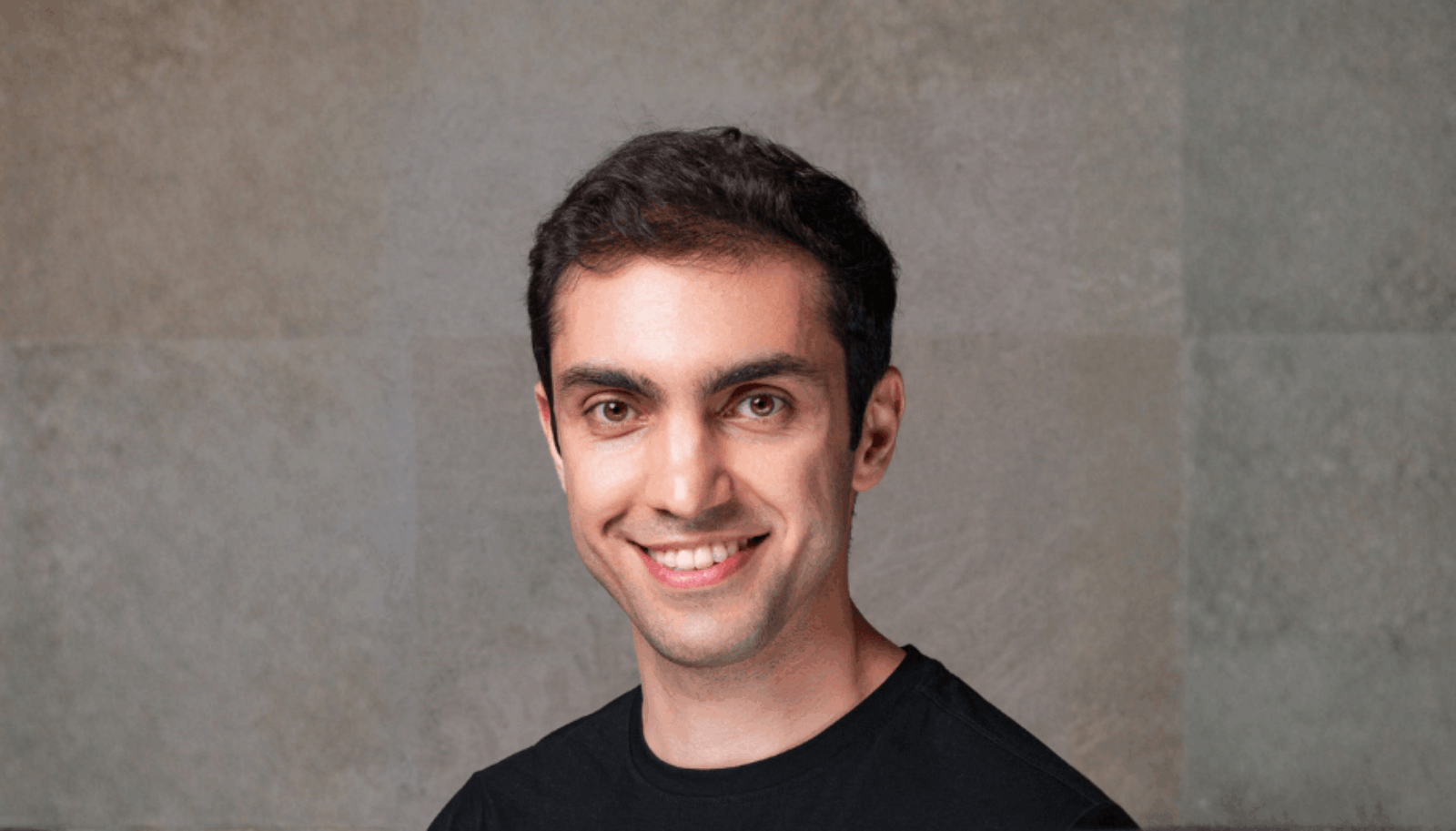
Mohamad Moosavi, Assistant Professor, Chemical Engineering, University of Toronto | Vector Institute Faculty Member
The path to breakthrough climate technologies often moves at a frustrating pace. Consider metal-organic frameworks – materials recognized with the 2025 Nobel Prize in Chemistry for their potential to deliver clean energy, clean water, and clean air. The research community spent 20 years synthesizing over 120,000 different variations, investing enormous effort and time. The result: one single material that works for carbon capture, and only under specific conditions.
Mohamad Moosavi believes AI can change that timeline dramatically. As an assistant professor in chemical engineering at the University of Toronto and a Faculty Member at Vector Institute, he leads research that transforms how we discover and design materials for sustainable technologies like carbon capture, energy storage, and catalysis.
Building Toronto’s unique AI for science ecosystem
Moosavi’s connection to Vector began in 2020 as a postdoctoral researcher in Berlin, Germany. Working at the intersection of chemistry and computation, he discovered the transformative potential of deep learning in materials science and found inspiration in the work of Alán Aspuru-Guzik, another Vector Faculty Member working in the intersection of chemistry and computer science. Vector’s focus on AI for science represented exactly the kind of interdisciplinary environment he needed for his research ambitions.
When he moved to Toronto in 2023 to join the University of Toronto as an assistant professor and established the Artificial Intelligence for Chemical Sciences research group, Vector was central to his decision. Toronto offered something rare: a concentrated ecosystem where world-class chemistry and materials science researchers at UofT could collaborate seamlessly with leading AI scientists at Vector, supported by infrastructure like self-driving labs and the Acceleration Consortium.
Moosavi joined Vector as a Faculty Affiliate in 2023, providing him with access to a community where he can draw inspiration and conduct meaningful, impactful research. Becoming a Faculty Member in 2025 further deepens this connection to Vector’s community. With his new position, he hopes to shape the ecosystem in Toronto, Ontario, and Canada to lead this type of research globally.
When molecules become mathematically differentiable
“With deep learning, we can make molecules differentiable. This is pretty exciting because it’s for the first time in the history of human beings that we can deal with chemicals, molecules, and materials as a continuous variable.”
At the heart of Moosavi’s work lies a fundamental challenge that has limited materials engineering for decades: materials and chemicals exist as categorical variables – discrete, separate entities that traditional engineering methods struggle to optimize. Engineers prefer continuous variables they can adjust smoothly, but chemistry doesn’t work that way. You can’t have “half” a molecule or gradually transition between chemical structures.
Deep learning changes this completely. By creating sophisticated mathematical representations of molecular structures, Moosavi’s team can effectively treat materials as continuous variables for the first time in human history. This means they can apply powerful optimization techniques from engineering – previously impossible for chemical systems – to design materials, chemical processes, and devices simultaneously rather than sequentially.
This breakthrough enables an entirely new approach to materials discovery. Instead of synthesizing thousands of candidates and testing them one by one, researchers can use AI to navigate the vast space of possible materials computationally, identifying promising candidates with unprecedented speed. The implications for addressing climate change are significant: technologies that might have taken decades to develop could potentially emerge in years or even months. Moosavi’s current work applies topological deep learning – methods designed specifically to understand how the three-dimensional structure and connectivity patterns of materials determine their properties. Unlike large language models that learn patterns in text, these models learn the “grammar” and “syntax” of molecular structures, capturing how building blocks assemble and how that assembly affects performance. The goal is to develop methods that learn and encode the language of materials, with representation learning compatible with the nature of materials, and chemicals rather than adapting techniques designed for human language.
Canada’s opportunity to lead in sustainable technology
“We have the opportunity to generate new technologies in Canada because we have the best scientists, we have [the] best engineers, and we have a society that is keen and interested in sustainability. That’s pretty rare and also a huge opportunity for us, as researchers at Vector Institute, to catalyze this innovation.”
The convergence of strong scientific talent, commitment to sustainability, and advanced AI capabilities positions Canada as a destination for researchers to generate innovations that create economic value while addressing climate challenges, like Moosavi. The ecosystem actively supports the kind of interdisciplinary, applied AI research that translates discoveries into deployable technologies – and that ecosystem continues to evolve.
Achieving this requires researchers willing to work across disciplinary boundaries. When you break the boundaries and try to connect disciplines, opportunities that used to be invisible suddenly become visible. That leads to innovations that can make step changes in technology development and science, but it also requires embracing the uncertainties that come with pioneering new approaches.
For Moosavi, the transition from Faculty Affiliate to Faculty Member represents a deepening commitment to building this ecosystem in Ontario. His advice to researchers considering Vector affiliation is straightforward: “If you’re looking for collaborating and interacting with scientists who are the best in their field, Vector is the place to be.” The combination of world-class researchers from different disciplines, shared infrastructure, and genuine commitment to interdisciplinary work creates opportunities needed to develop the innovations for a sustainable future.