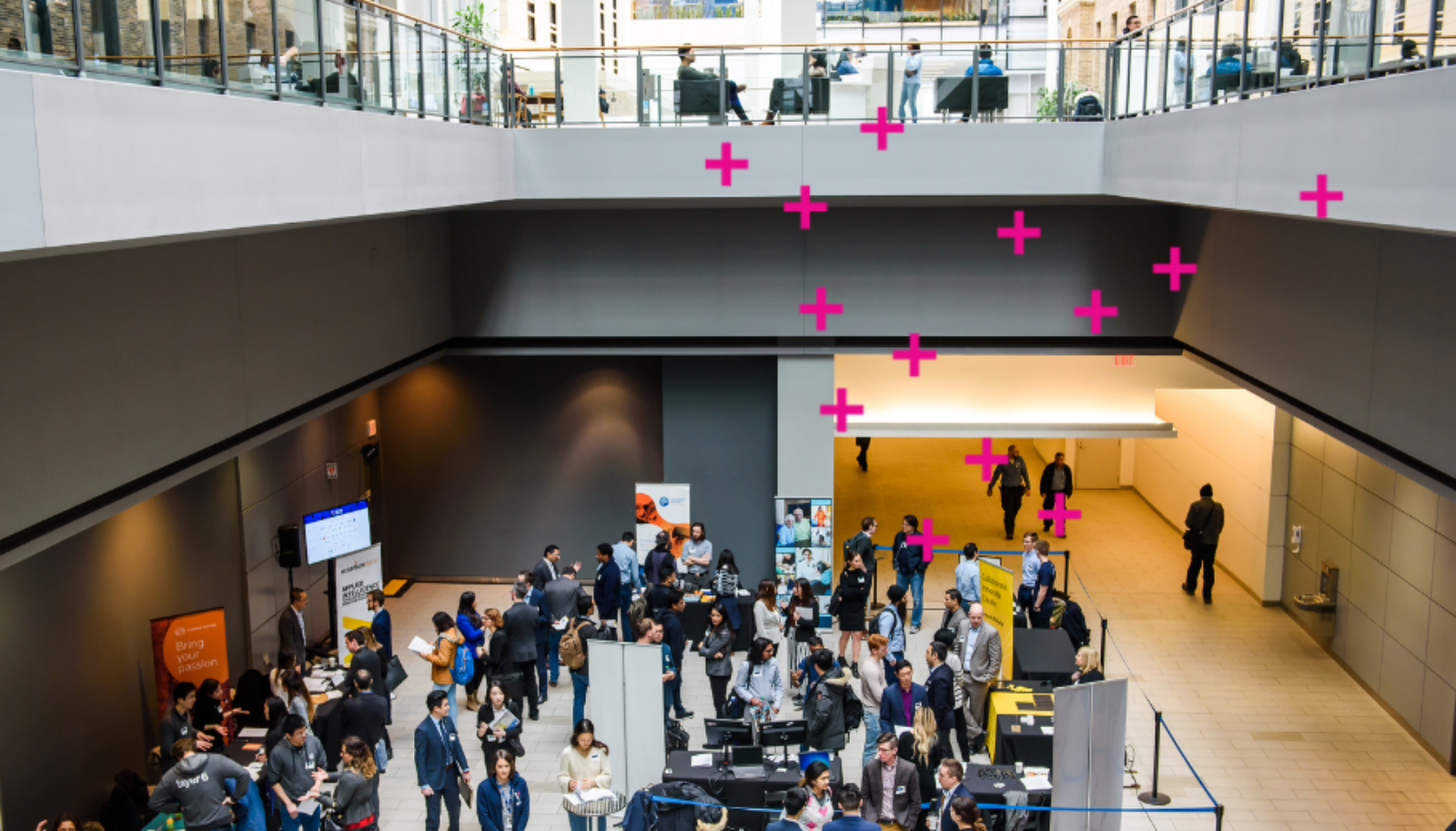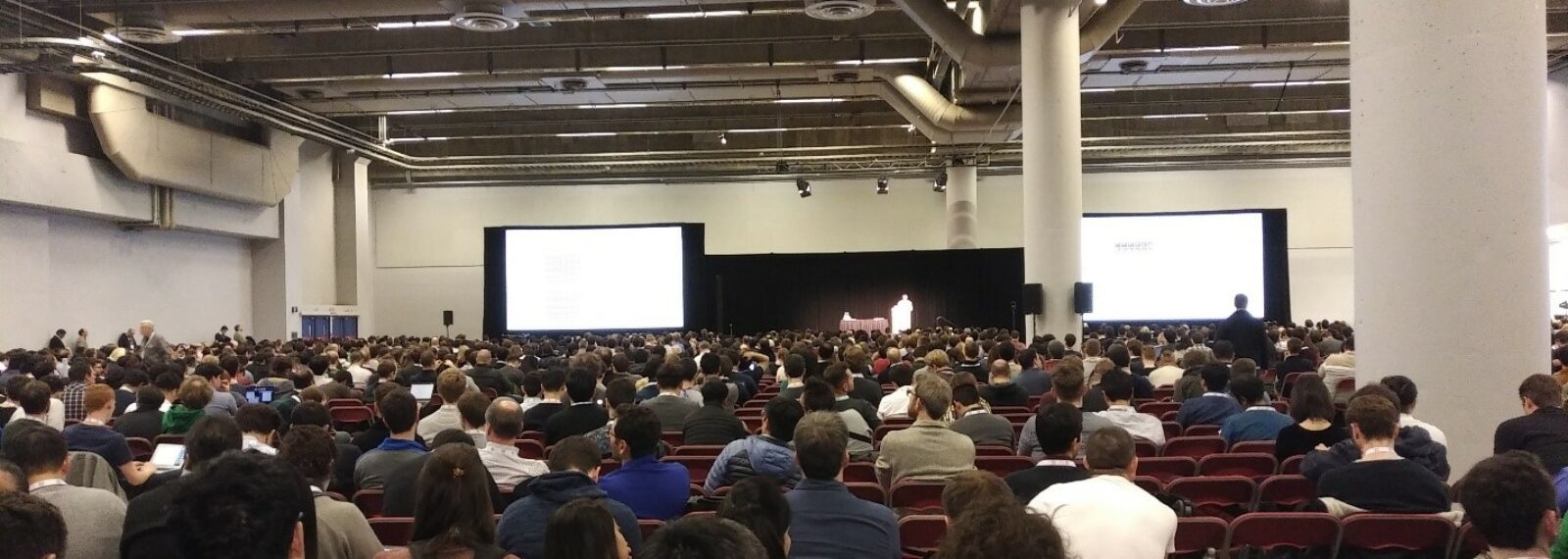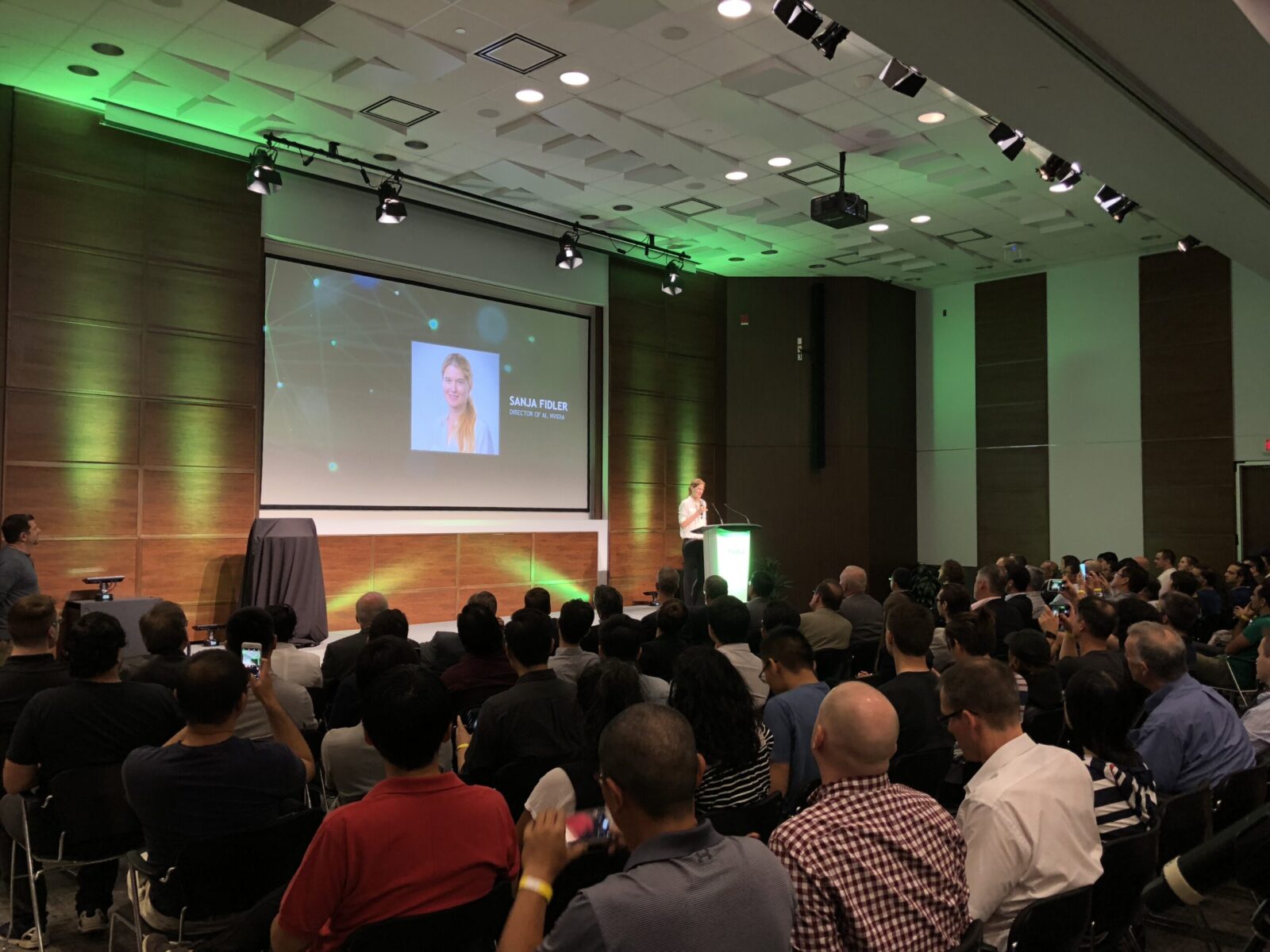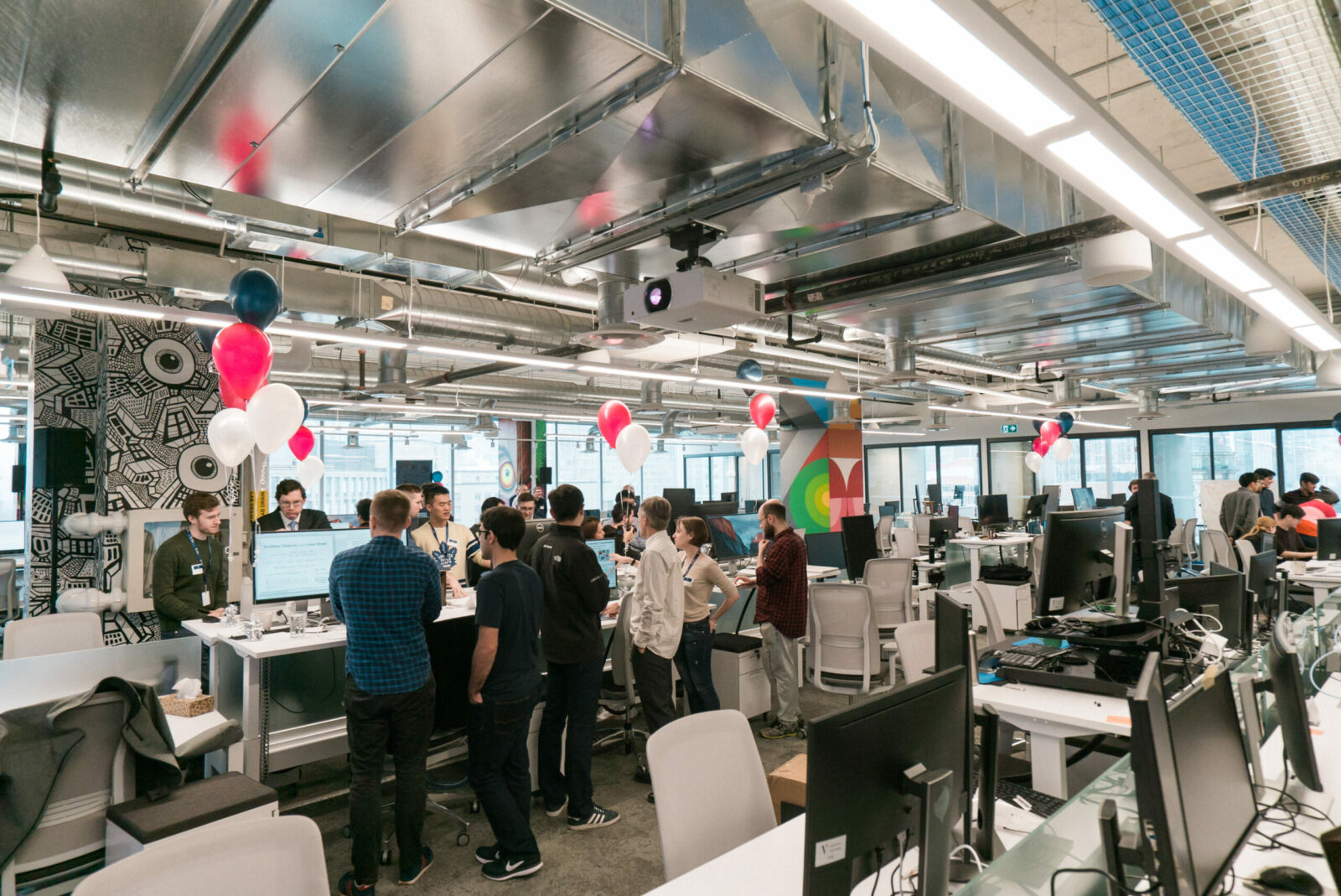
Vector Institute’s third annual Remarkable 2026 conference brought together over 1,500 researchers and industry leaders in person and online on February 19-20 to explore how AI research translates into real-world possibility. At the heart of this gathering – the nexus where academic excellence meets industry innovation – was a poster session that showcased the breadth and depth of Canada’s collaborative AI ecosystem.
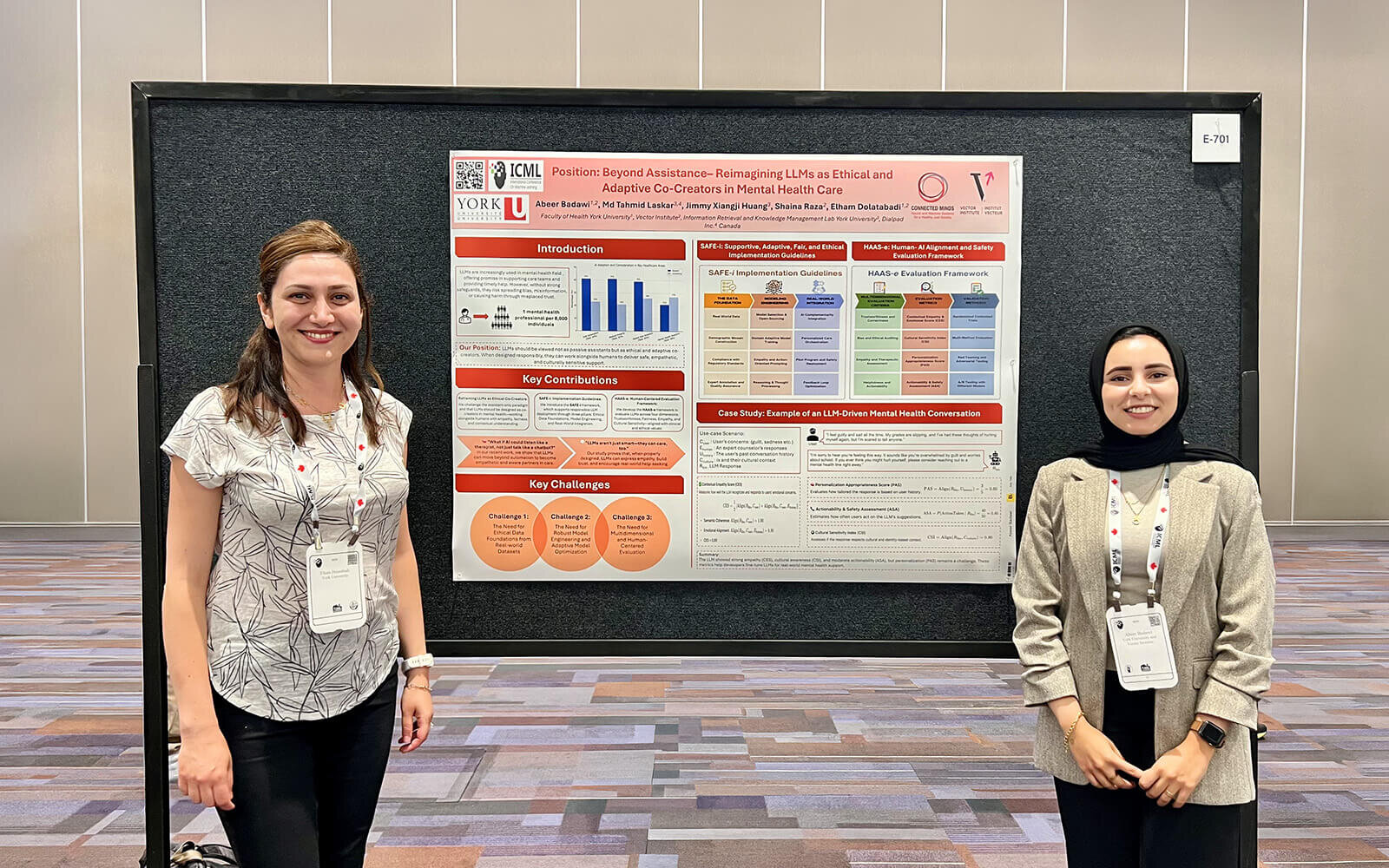
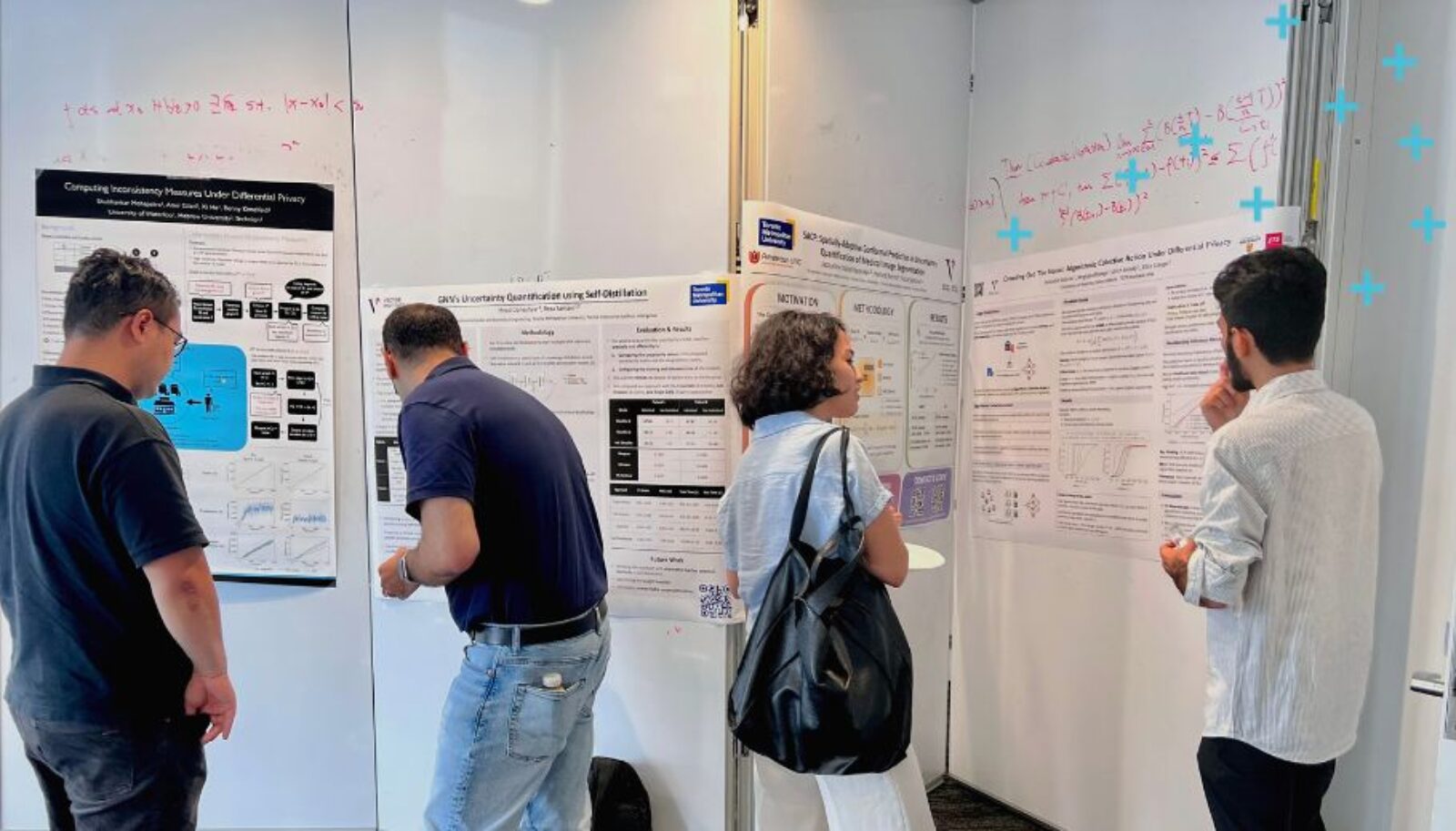
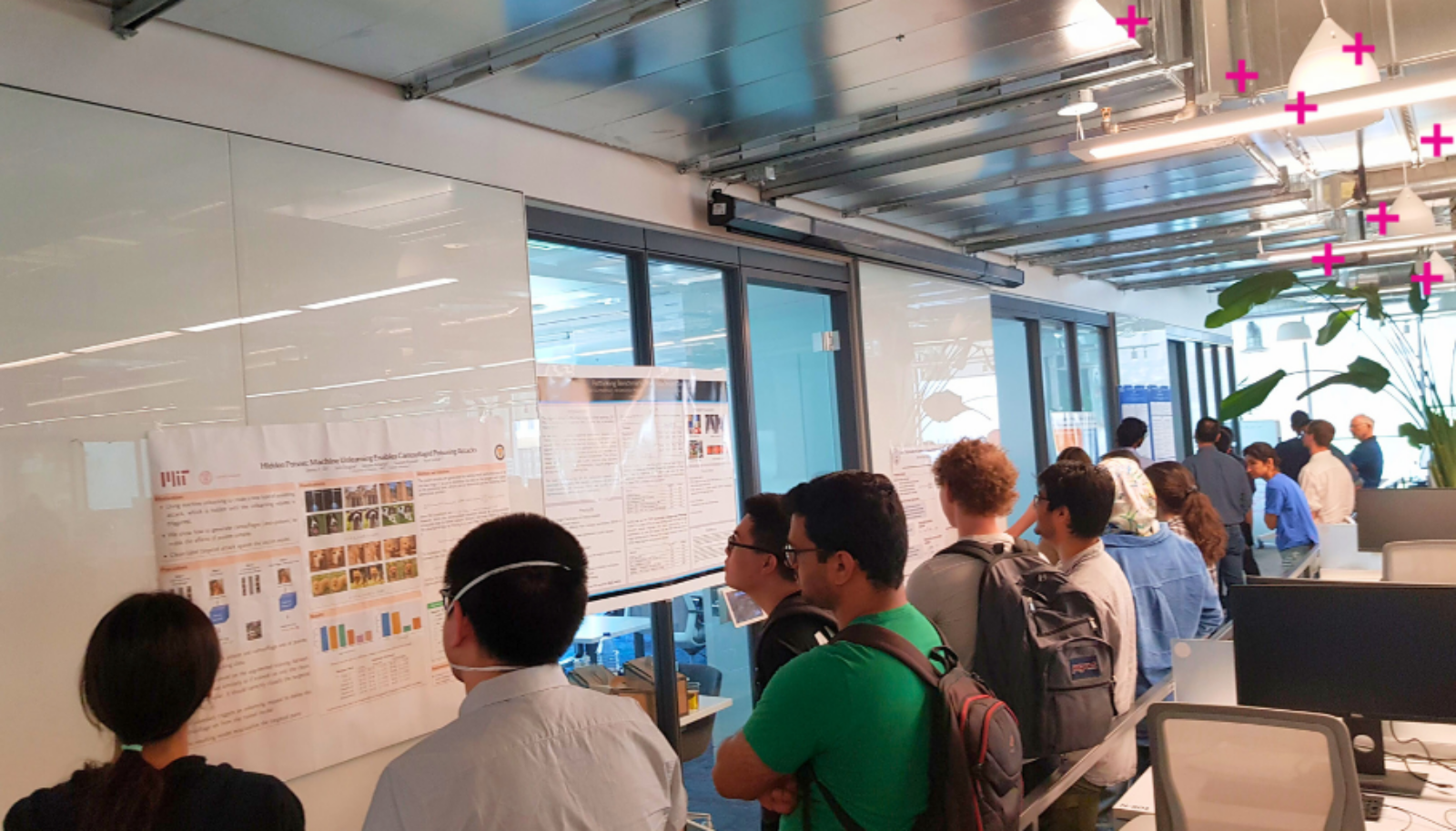
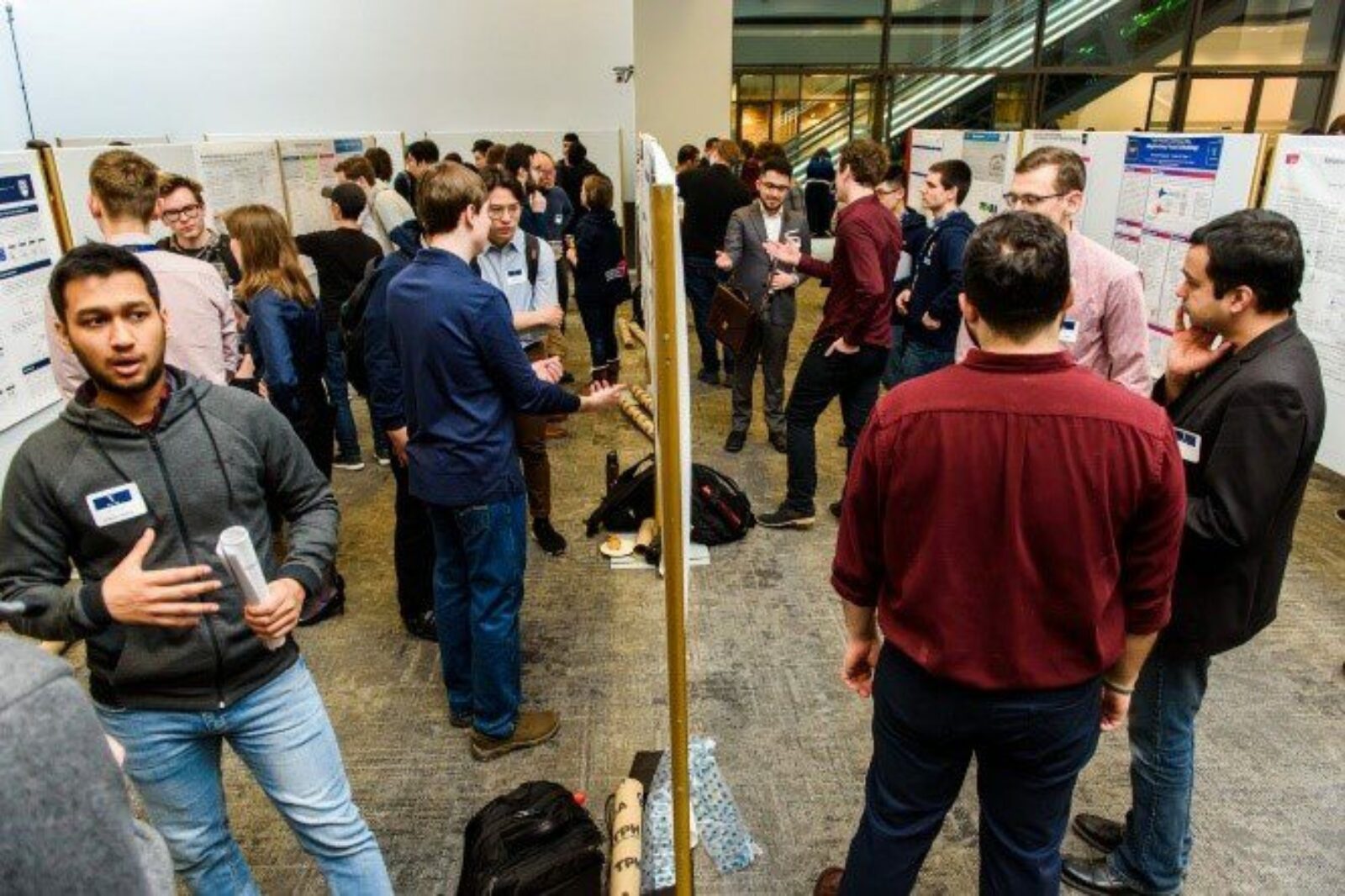
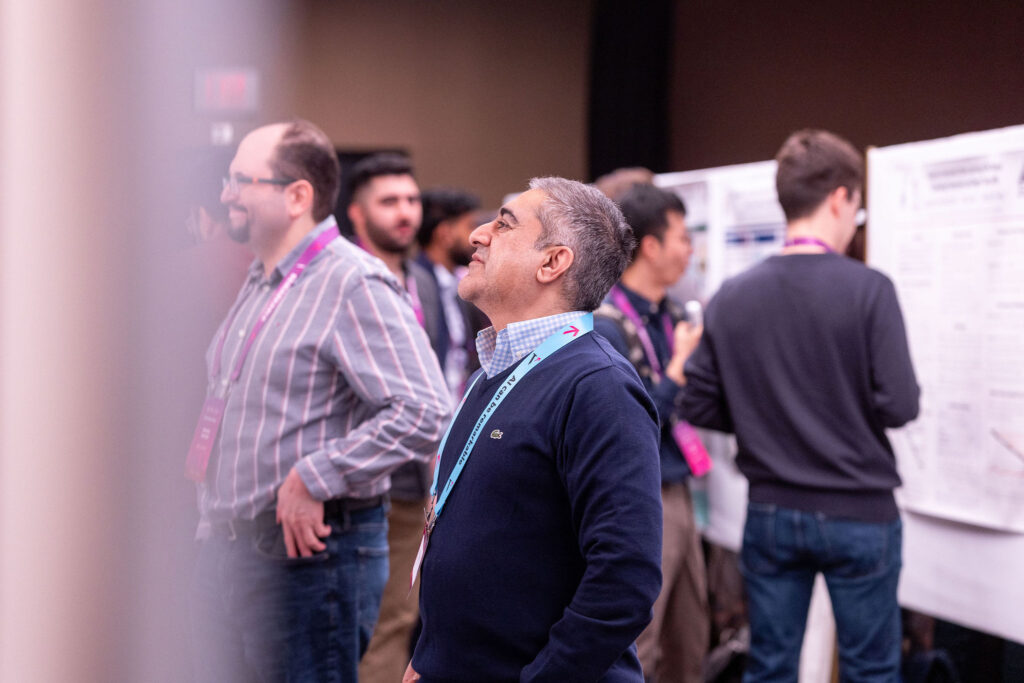
On February 20, the conference’s second day, 60 research posters lined the main auditorium, each representing months of rigorous investigation into AI’s most pressing challenges and promising frontiers. These presentations, drawn from across Vector’s research community, offered attendees a comprehensive view of how Canadian researchers are advancing the field while maintaining an unwavering commitment to responsible AI development.

Research at the intersection of innovation and impact
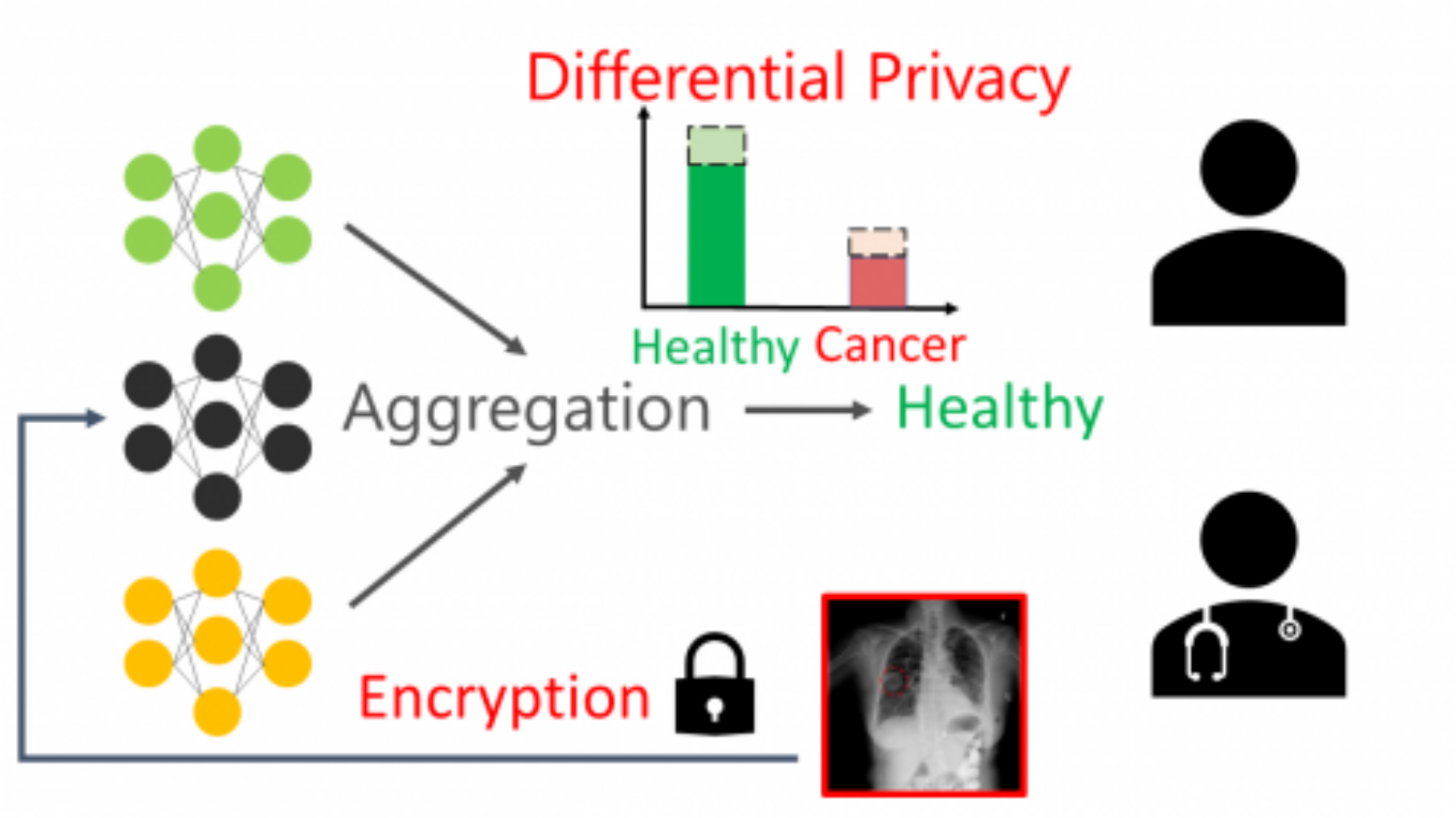
The poster session revealed three dominant themes shaping contemporary AI research. AI in medicine and health care emerged as a particularly strong focus, with nearly 20% of presentations exploring breakthroughs in voice-controlled surgical navigation, cancer detection using foundation models, clinical decision support systems, and medical imaging innovations. These projects demonstrate how Canadian researchers are positioning the country as a global hub for health care AI innovation.
AI safety and responsible AI represented another critical research direction, addressing the urgent need for trustworthy AI deployment. Researchers presented work on bias detection across demographics and dialects, privacy preservation techniques, fairness optimization, and novel approaches to understanding and mitigating AI vulnerabilities. This portfolio reflects Canada’s leadership in ethical AI development and regulatory alignment.
The third major theme, foundation model innovations, showcased advances in efficiency improvements, multimodal capabilities, and novel architectures for next-generation language and vision systems. From dramatic reductions in training costs to fundamental breakthroughs in understanding how AI processes information, these projects represent the technical foundation enabling tomorrow’s AI applications.
Canadian leadership in focus
The diverse portfolio demonstrates Canadian AI leadership extending from Toronto-based optimization startups commercializing breakthrough technologies to Vector’s comprehensive medical AI pipeline positioning Canada as a global hub for healthcare innovation. This research landscape reflects the unique advantages that emerge when researchers and practitioners collaborate within Canada’s supportive AI ecosystem — from government commitment to AI leadership to the deep industry partnerships that enable rapid translation of academic discoveries into deployed solutions.
As you explore the full collection of abstracts and research summaries in the attached poster booklet, you’ll encounter the remarkable scope of investigation happening across Vector’s network. Each presentation represents not just scientific advancement, but a step toward realizing AI’s potential to address real-world challenges while maintaining the ethical standards and collaborative spirit that distinguish Canada’s approach to artificial intelligence.
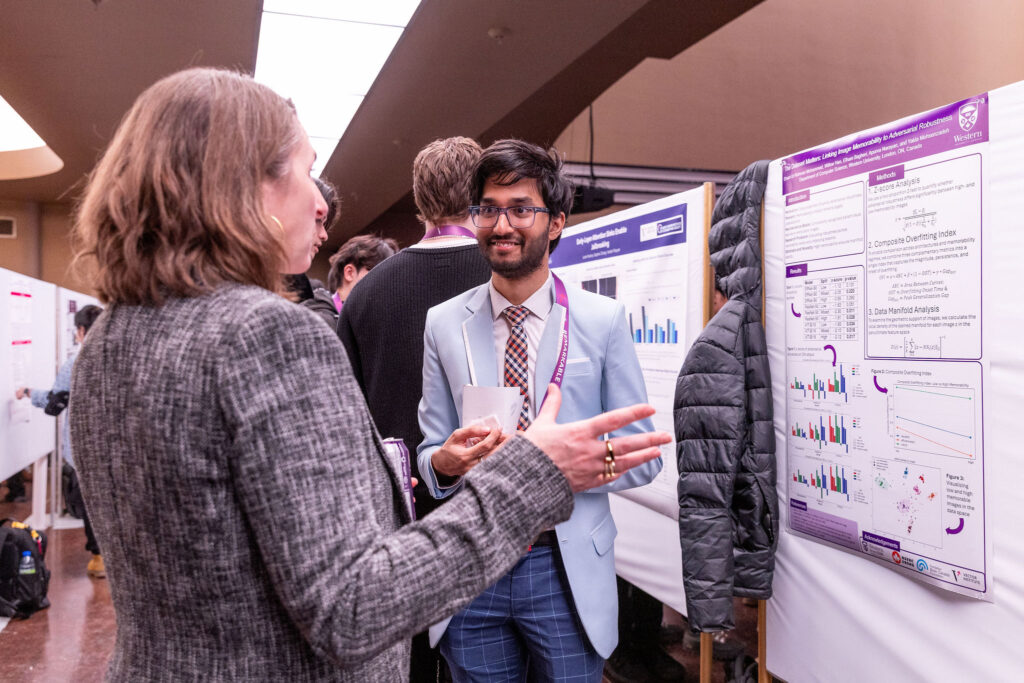

Explore the full collection of posters
Discover the cutting-edge research shaping AI’s future, organized by research theme and presented as they appeared at Remarkable 2026 on February 20, 2026.